Proverbs encapsulate many stories, values, and wisdom such as patience, generosity, poverty, luck, cunning, and resourcefulness. They are expressed in simple colloquial language to be close to the audience, as they stem from the environment in which people live and arise from their experiences, struggles, and repeated situations. Proverbs are intangible heritage passed down from generation to generation. They are simple, easy to understand, and reflect the customs and traditions of society, aiming to convey meaning in the simplest form and fewest words, as the saying goes: "The best speech is brief and to the point." Popular proverbs often feature humor, sarcasm, or exaggeration to attract attention. They were used in education as tools to instill values, morals, and advice, defining what is acceptable or rejected in society. Proverbs transmit the experiences of ancestors and provide simple solutions to problems. They also play a major role in strengthening collective identity, pride in cultural heritage, and preserving words and expressions tied to local dialects, documenting history in a narrative form that is easy to memorize and understand. Here you will find a collection of Kuwaiti proverbs, many of which, despite differences in wording, are also found in Gulf cultures, proving their ease of transmission and preservation. I illustrated them with images that reflect or literally translate their meanings to aid memory. My references were Abdullah Al-Nouri’s 1981 collection of Kuwaiti proverbs and Saad Ibn Mishlah Al-Azmi’s 2017 “Constitution of Kuwaiti Proverbs.”
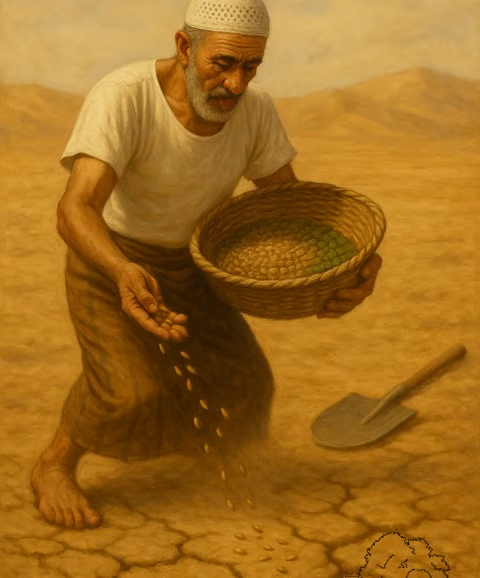
“Subakh” are salty lands where nothing grows and water does not stay. Said of someone who does good to those who do not appreciate or acknowledge it — the ungrateful.
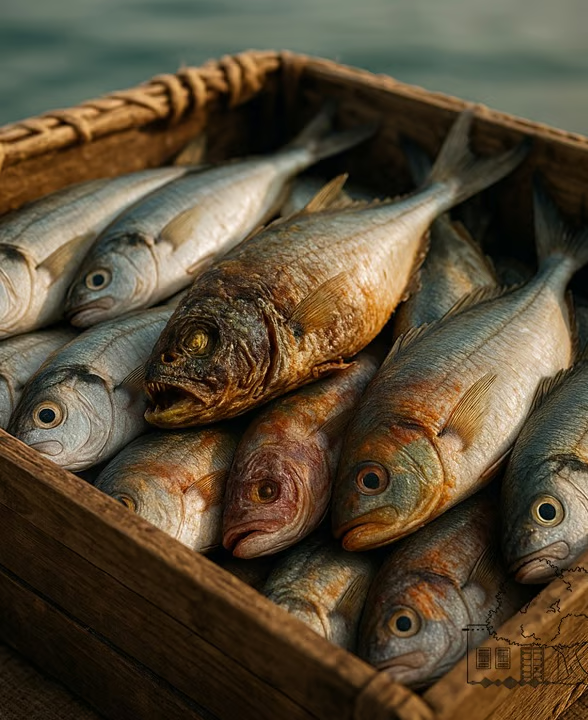
“Khaisa” means rotten and foul-smelling. Once one fish becomes rotten, it contaminates the rest. Said of someone with bad character who corrupts those around them.
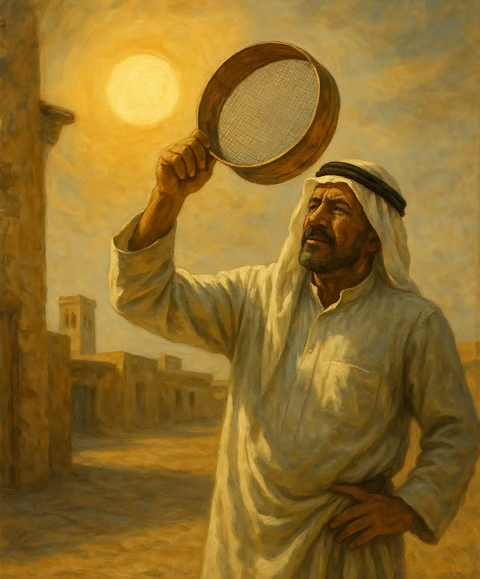
A sieve is a perforated plate used to sift flour. Said of good deeds or truths that cannot be hidden — eventually, reality will be revealed and false masks will fall.
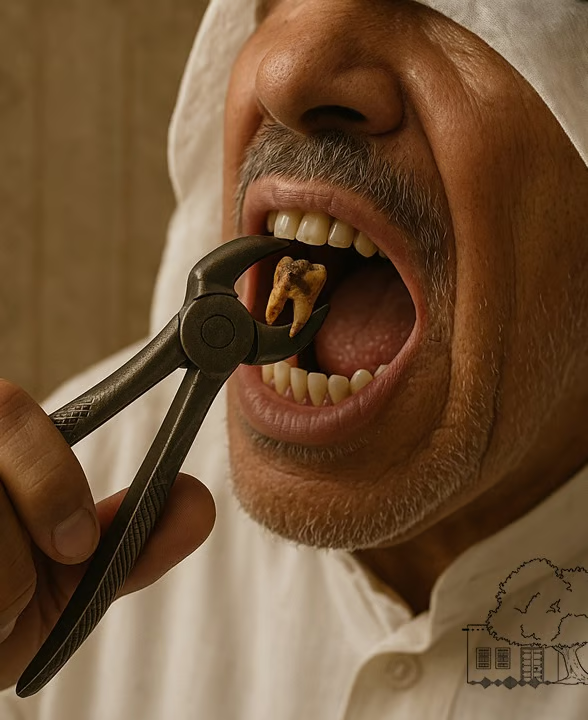
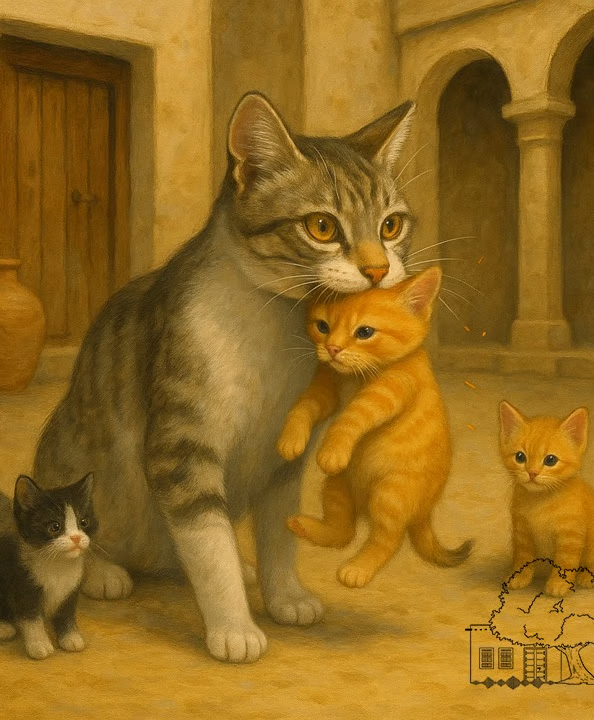
Said of relationships that once were close but turned sour, or of people who cause constant annoyance — it is better to remove what causes pain.
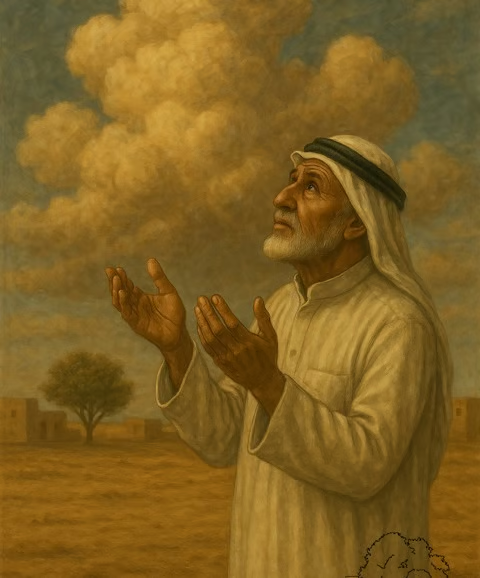
Said in hope of blessings after hardship, rain after drought, or when awaiting something long desired.
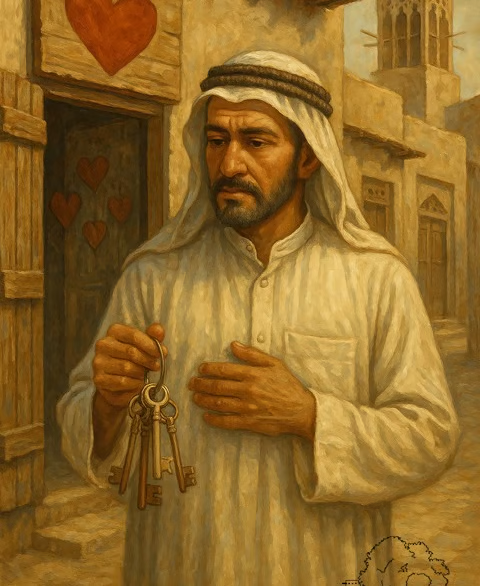
Meaning the heart cannot love everyone equally; each person has their own place and importance.
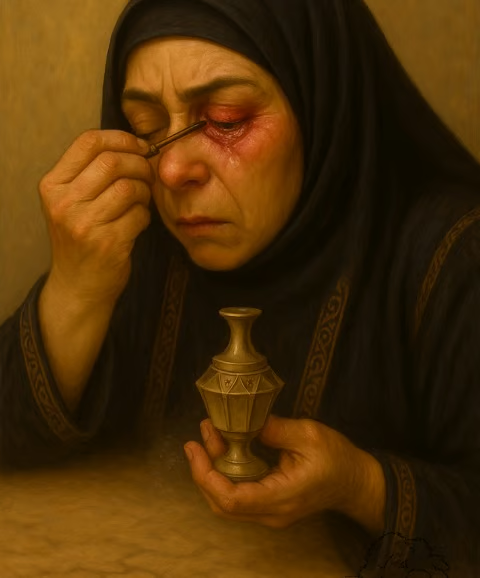
“Ramda” means eye infection. Said of someone ugly who looks worse when beautified, or of doing good to the ungrateful.
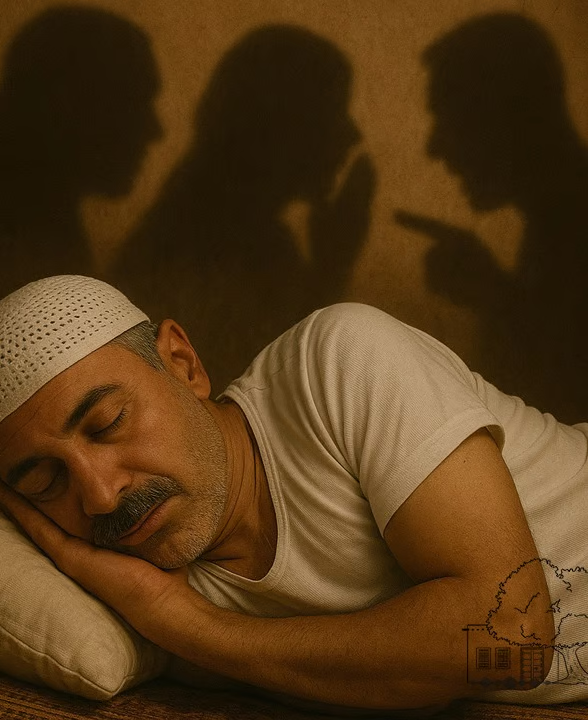
Meaning accusations may come unexpectedly, even when one is innocent or unaware.
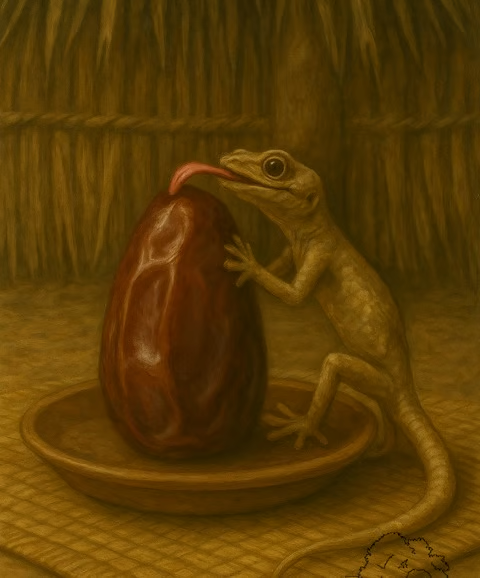
People believed dates never spoil. “Lahoos” refers to small creatures like spiders or lizards. Said of someone resilient who resists illness or danger, or a man accustomed to risks who always emerges unharmed.
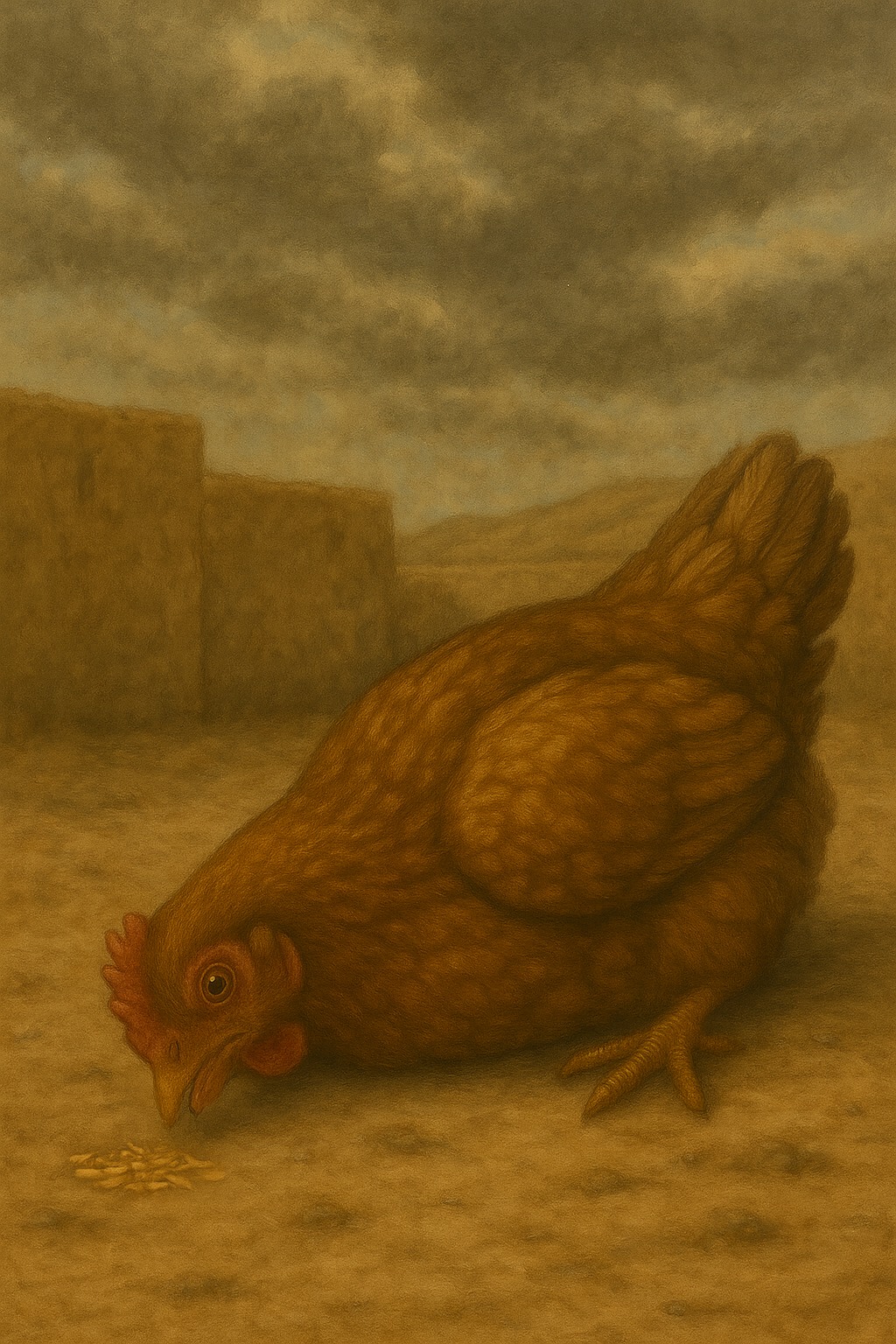
“Sabous” means rice husks, which still contain grains. The hen keeps pecking at them, and even when it dies, its eyes remain fixed on them. Said of someone who enjoyed something and, once deprived of it, keeps longing for it.
Meaning if a garment is too long, it causes the wearer to stumble. Said of someone who associates with those of higher status or power, or trades with those stronger in business, risking harm or loss.
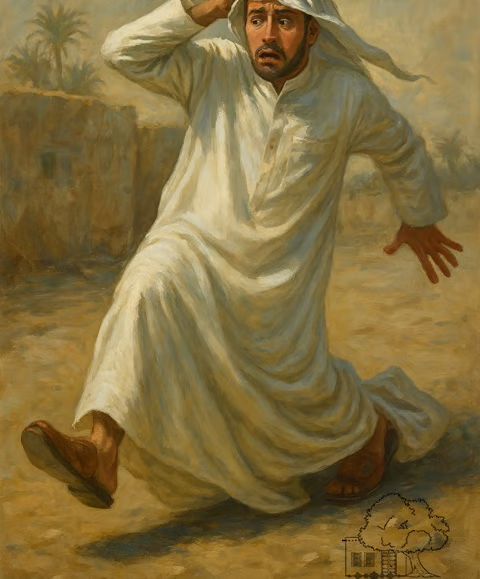
“Jat” means clover. The proverb means the donkey that carries clover does not eat from it. Said of someone who produces or masters something but does not benefit from it — like a cook who prepares food but does not eat it, or a worker whose effort benefits others only.
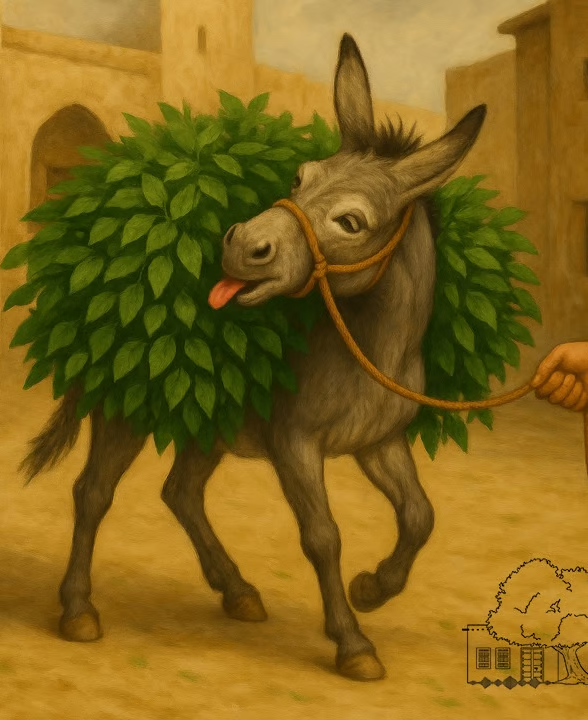
Said of someone who pretends to be humble and innocent but is actually deceitful and malicious.
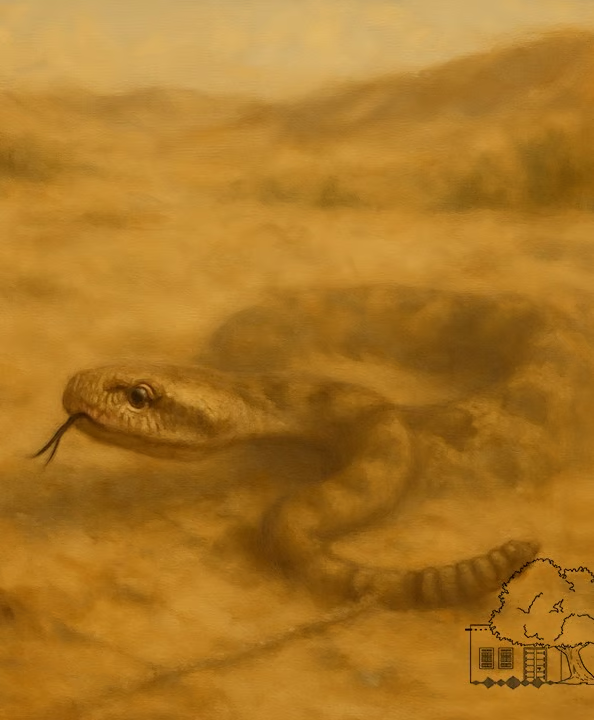
Meaning: we prepared everything to cook the rooster, but it flew away. Said of someone who prepares for something but loses the very thing they prepared for.
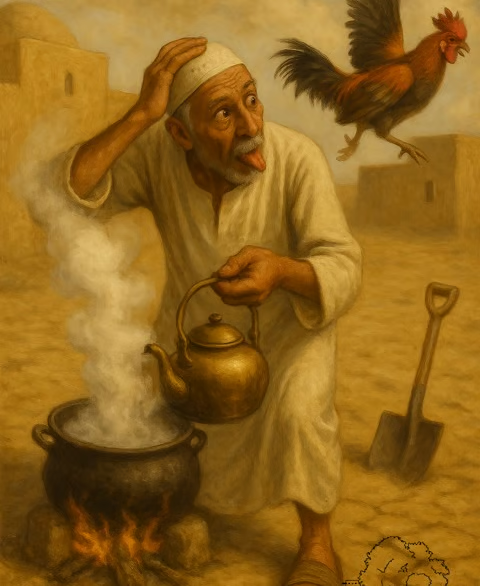
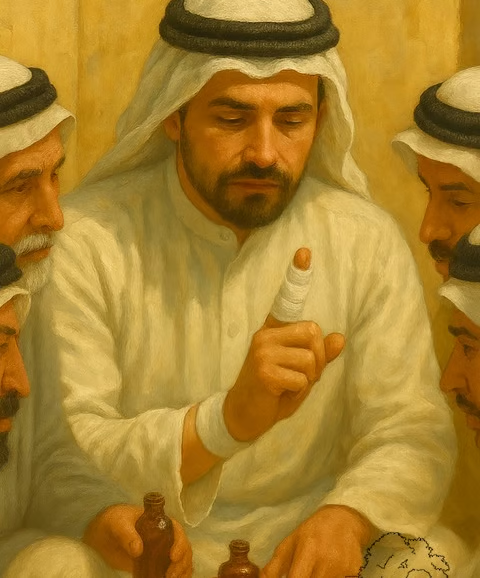
Meaning: ask the experts. Said of someone who seeks advice or as encouragement to consult those with experience.
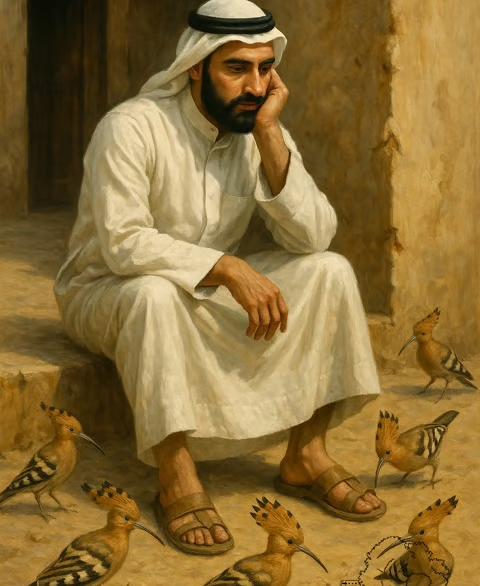
“Hudhud” is the hoopoe bird. It is said the hoopoe is still searching for Solomon’s ring, never resting with food or drink. Thus, “torment of hoopoes” is said of someone constantly working without rest or variety.
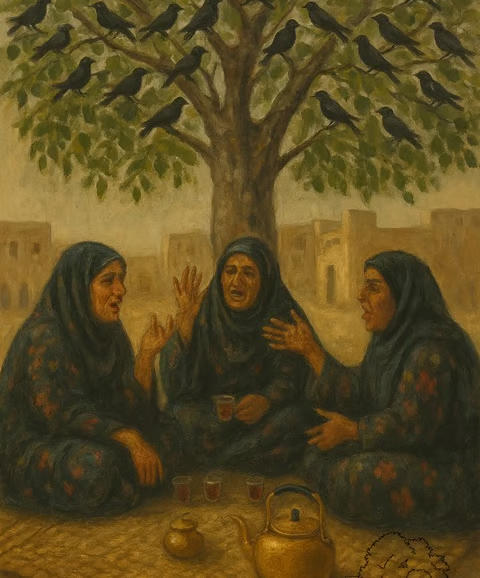
The Sidr tree bears nabq fruit. The proverb means “like birds in a Sidr tree,” referring to the mix of sounds. Said of children playing noisily or women talking all at once so nothing can be understood.
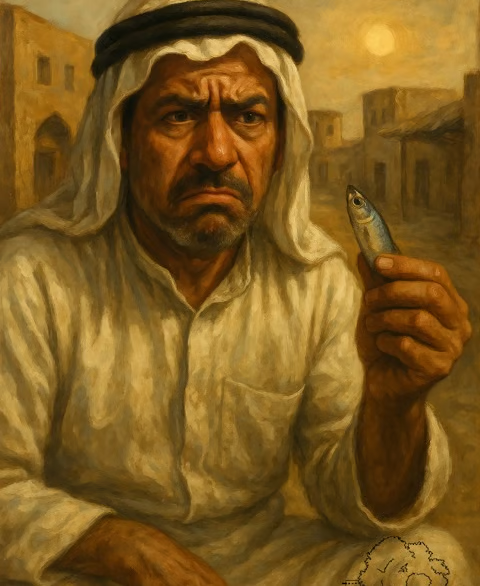
“Awmah” is a cheap fish eaten by the poor. Though tasty, it is avoided by the wealthy due to its abundance and low value. Said of someone who does all the work yet is still criticized.
Meaning: constant hammering loosens what is tightly bound. A weld joins two iron pieces with fused metal. Said of a gossip who repeatedly sows discord between friends or spouses until they separate.
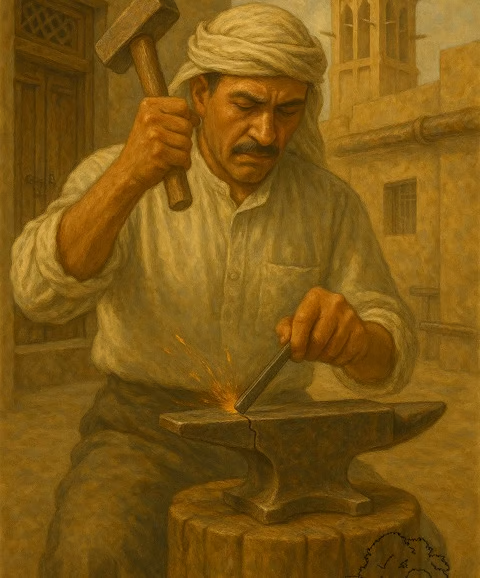
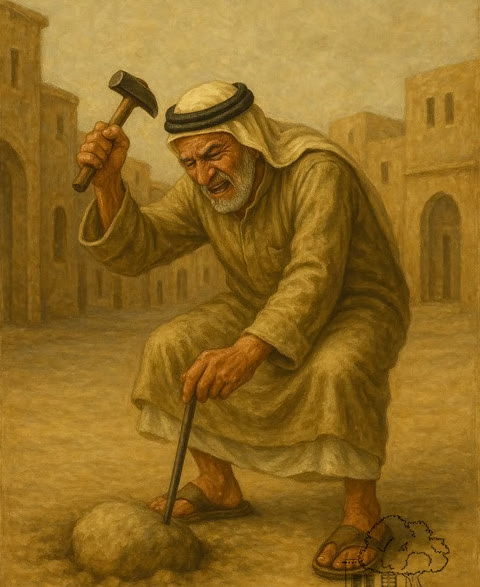
“Daqeet” (with Egyptian pronunciation of qaf as g) means “I hammered.” “Ridaah” means badness, “Waftani” means confronted me. Meaning: whenever I try to drive a stake into the ground, a stone blocks it. Said of misfortune and lack of success.
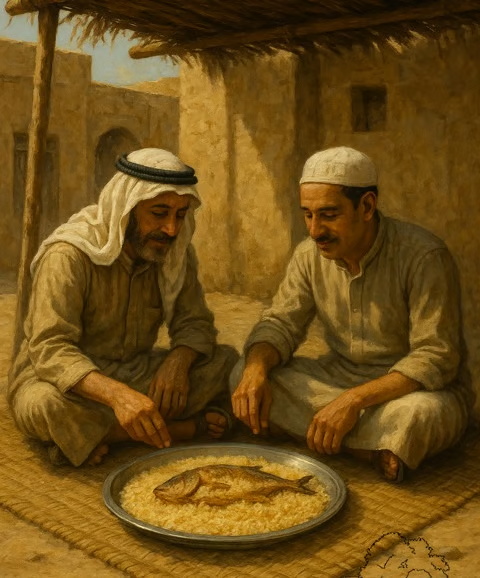
Meaning: blessing lies in food that is shared with others. Said of real-life situations.
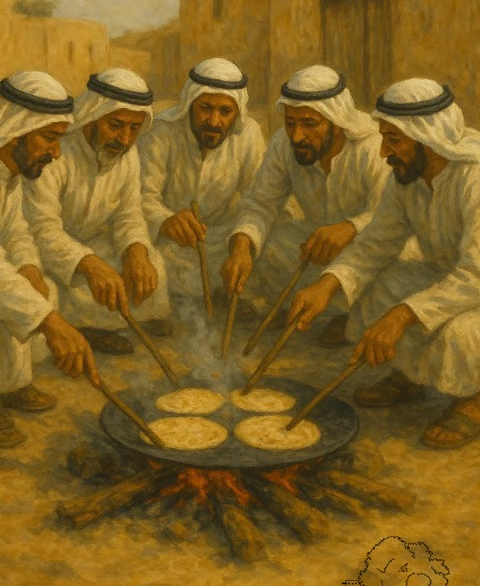
“Qurais” is a small loaf. “Yijir” means to pull. Meaning: each person pulls the fire toward his own bread. Said of selfish people who care only for their own interests, ignoring the common good, friendship, or kinship.
Said of people who appear kind and good but are actually evil.
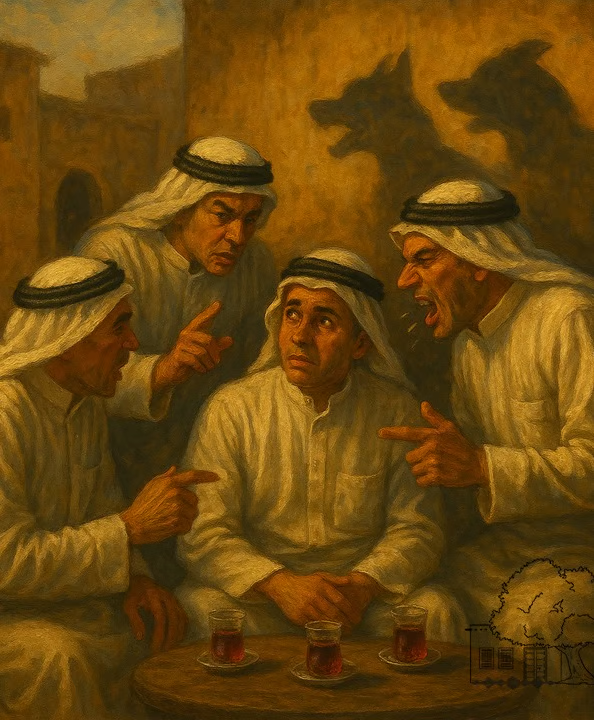
“Lazqa” means a sticky plaster. “Anzaroot” is a known resinous plant. Said of someone who clings, becomes tiresome, and never leaves.
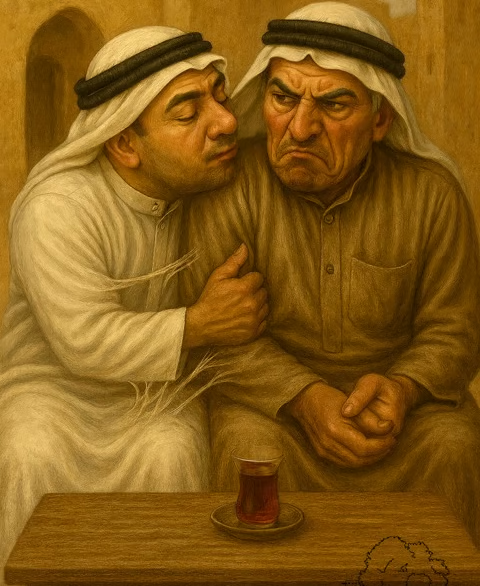
“Aqib” means after, “Al-oud” refers to incense. Among Arabs, offering incense is the final gesture of honoring guests, signaling the end of the visit and that it is time for the guest to leave.
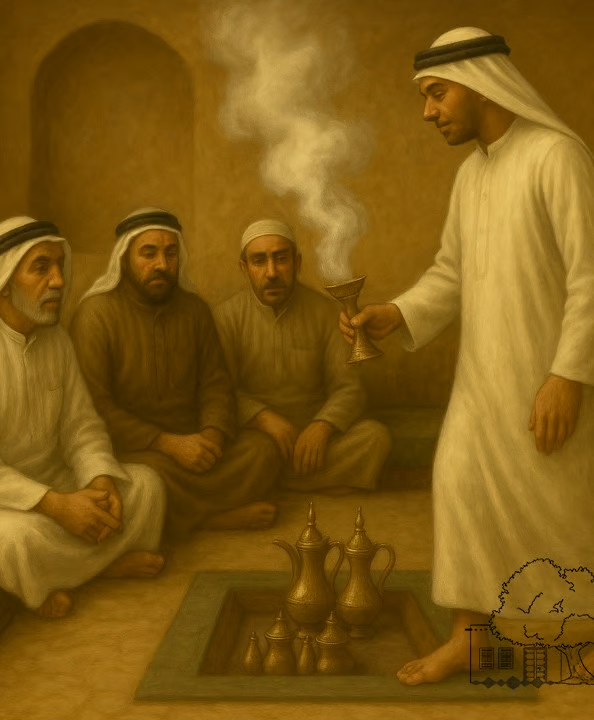
“Khashm” means nose, “Awaj” means crooked. Meaning: you only have your nose, even if crooked. Said of a trait or feature someone is known for and cannot escape.
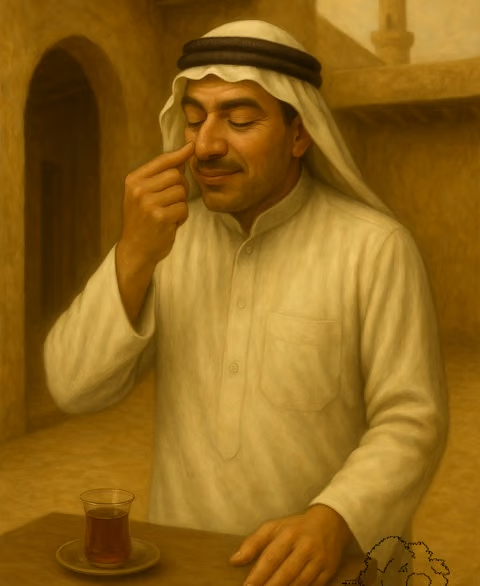
“Yitigg” means to beat, “Al-Tar” is the drum. Meaning: the drum cannot be beaten upside down. Said of a straightforward person who speaks clearly and does not distort the truth.
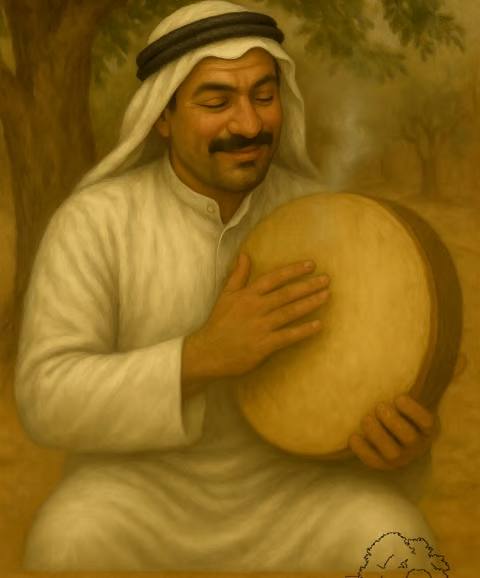
“Abrad” means extremely cold. Said of a person indifferent, lazy, and unconcerned with what angers or benefits others — someone apathetic to what happens around them.
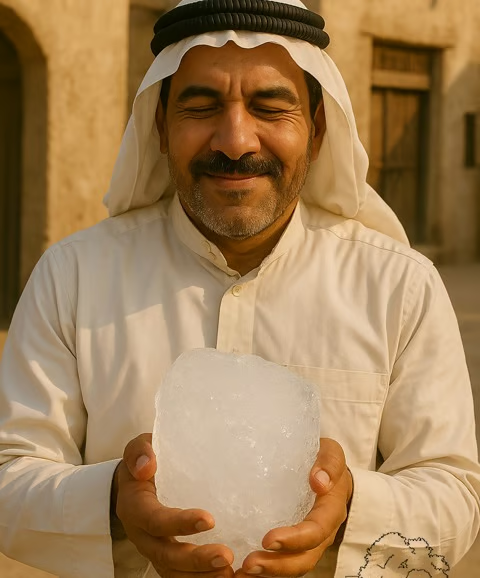
Meaning: the matter is already settled, nothing more can affect it.
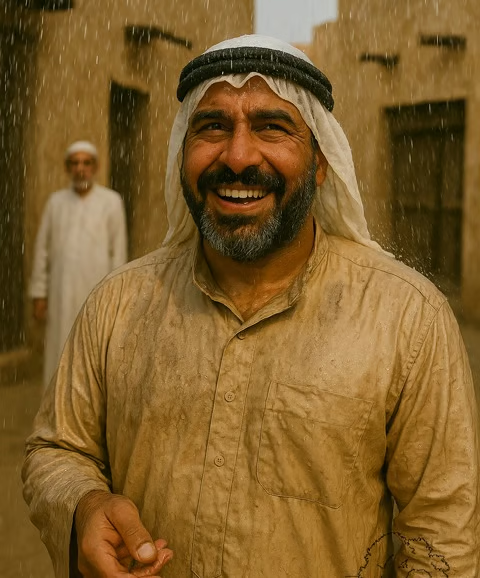
“Awja” means leaning or crooked. Said of someone who gives benefits or favors to outsiders while his own relatives are in need.
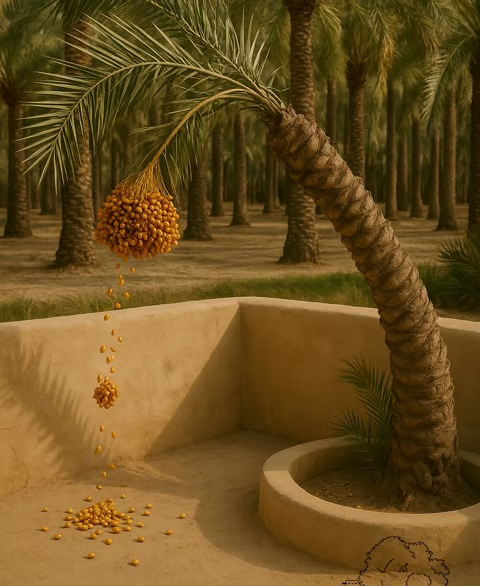
Meaning: after our meeting, there is no blame; each is free of responsibility. Said in cases of mutual reproach between two sides when no good comes of it.
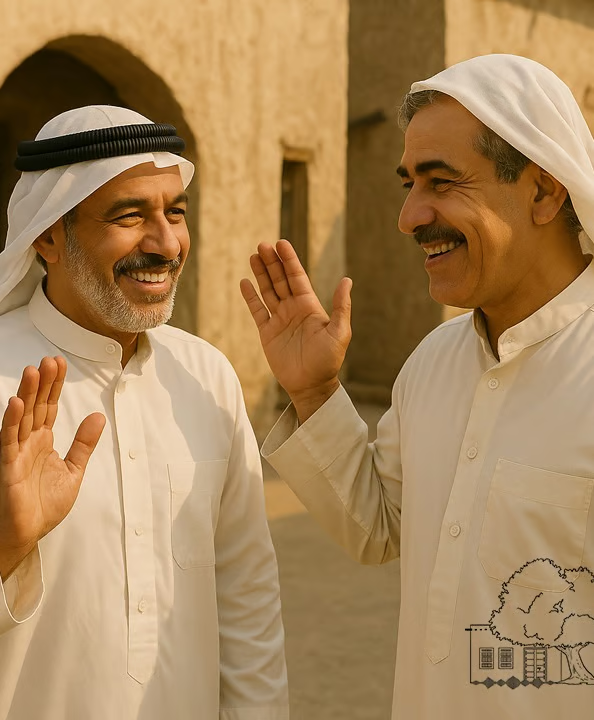
“Halāh” means beauty. The patch of a garment should be of the same fabric and color; otherwise, it looks ugly. Said of someone marrying outside their equal, leading to dissatisfaction.
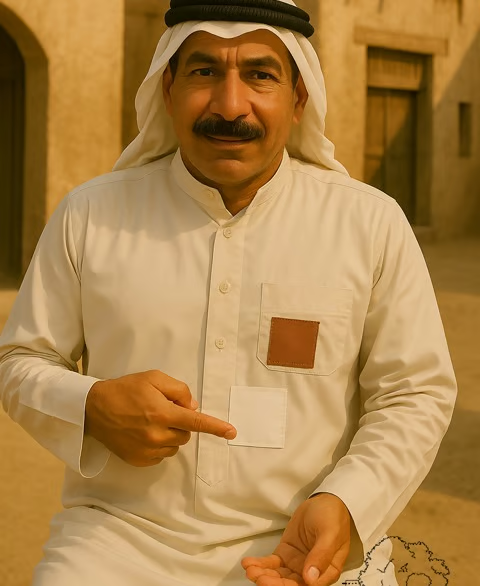
“Jallah” refers to camel droppings, once used as fuel for cooking and heating. Said as a warning not to be deceived by appearances.
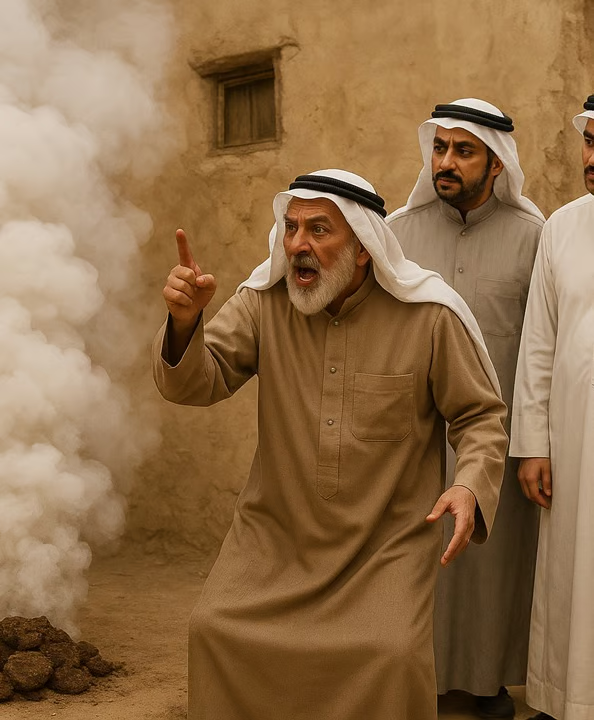
“Saqāh” means gave to drink. Said of someone who suffers great harm at the hands of a close relative such as a spouse, child, or sibling.
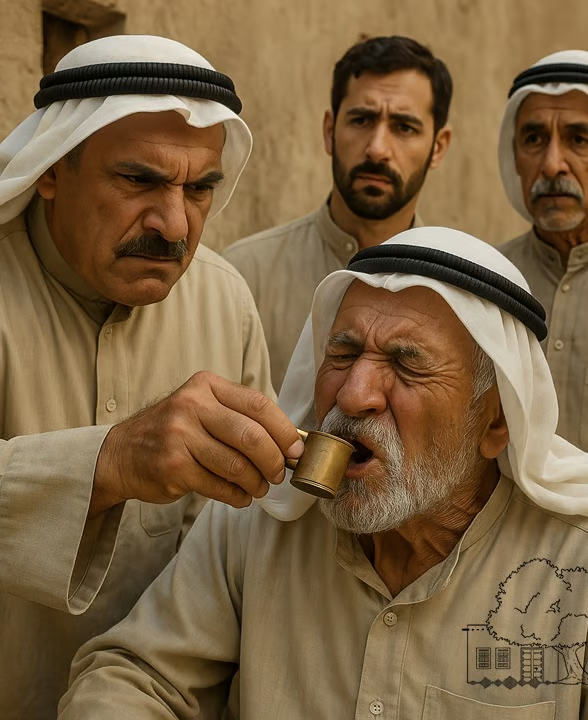
“Toufah” means wall, “Habita” means fallen. Said of a person despised and disregarded, of no account.
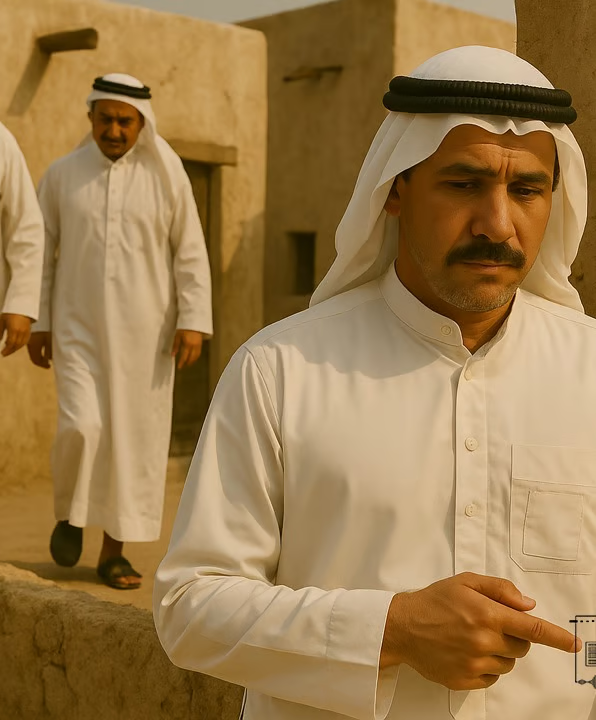
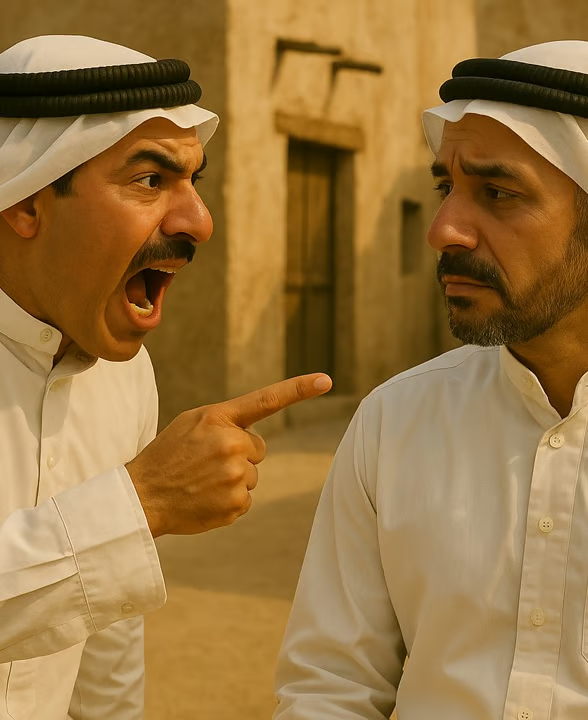
“Wabā” means a deadly contagious disease. Meaning: he opened his mouth to speak but was silenced and insulted, leaving no chance to defend himself. Said of someone strong in argument or loud in voice who leaves no room for others to speak.
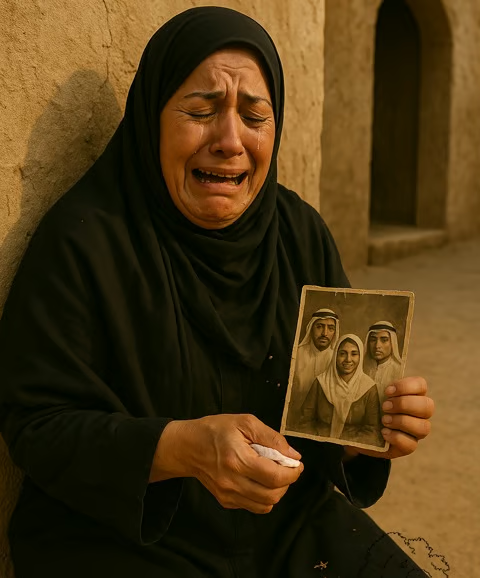
Said of someone who cries excessively over the dead or the missing.
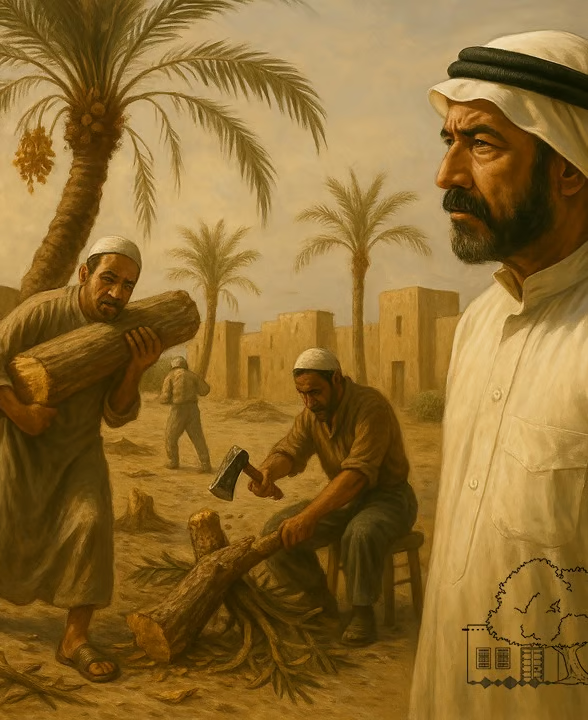
Said of people who work outside their specialties, implying chaos if everyone meddled in what they are not skilled at.
“Qatawah” means cats. Said of someone who never settles, always moving from house to house or job to job.
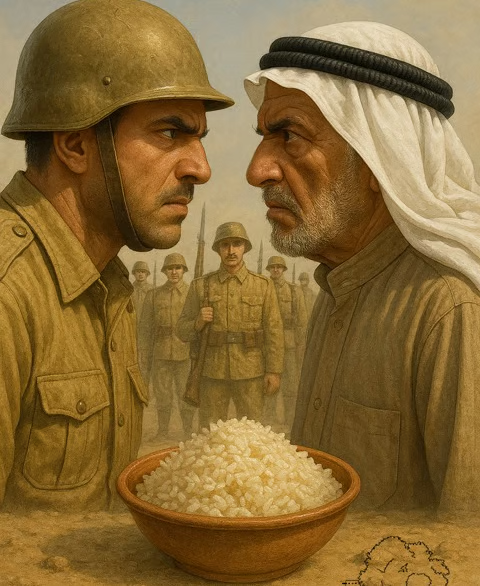
Said of a hungry person sitting before food but waiting for all guests to arrive before eating.
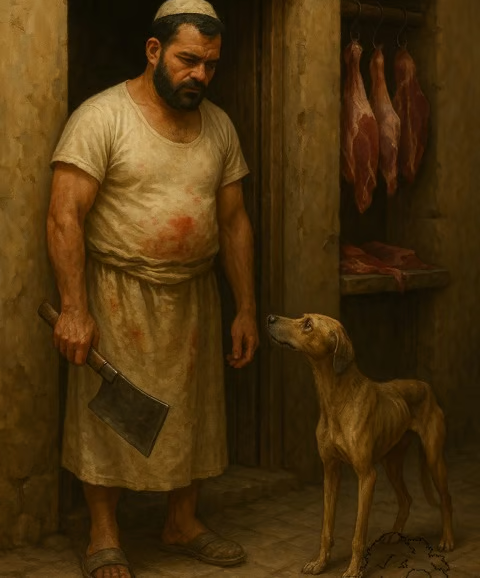
“Qassab” means butcher. Said of someone needy who repeatedly returns to a benefactor yet mistreats him.
Summer rain is useless and quickly vanishes. Also told as “Summer Cloud.” Said of someone who comes and goes quickly, or of blessings that reach some but not all, as summer rain falls only in small patches.

“Maqroud” means afflicted with ticks. “Qirada” are ticks. Meaning: the animal is plagued by ticks, and ticks seek him out. Figuratively, said of someone humiliated and beset by misfortunes, whose misery only increases.

“Anqeesh” means apricot pits. Meaning: he is tough and resilient, not hurt even if apricot pits are broken on his head. Said of an experienced, hardened man.
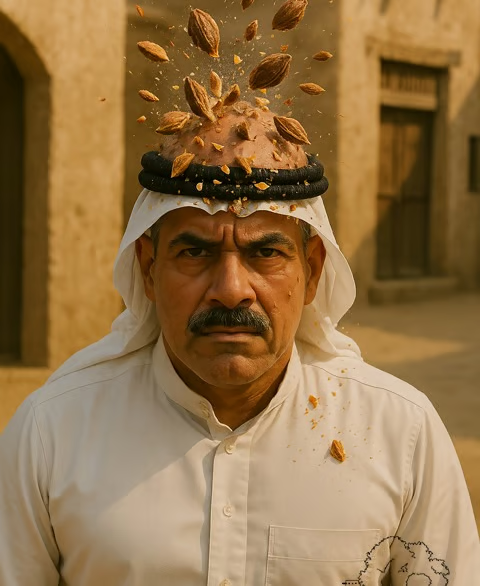
Said of someone who has suffered injury or hardship yet still offers goodness, advice, and guidance to others.
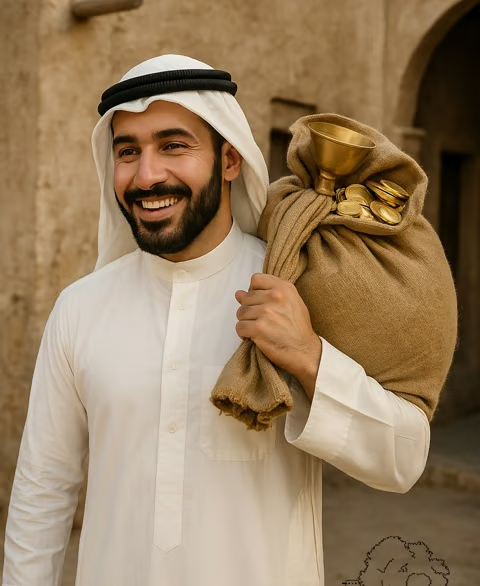
Meaning: one who is absent for a long time returns with abundance and great blessings. Said of someone who comes back to his family bringing prosperity.
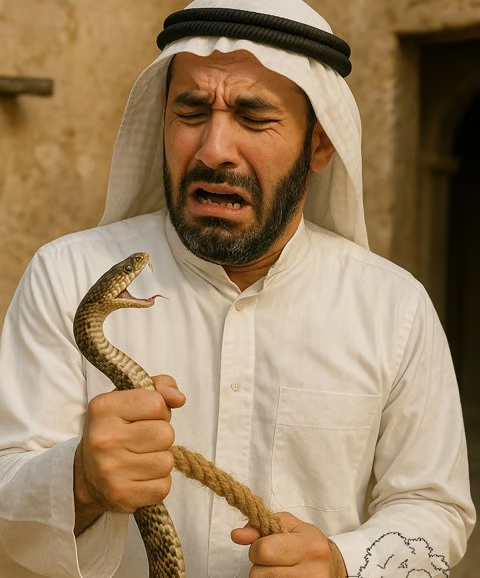
“Dabb” means male snake. Meaning: one bitten, out of fear, mistakes a rope for a snake. Said of someone who faced a problem and lost trust in others.
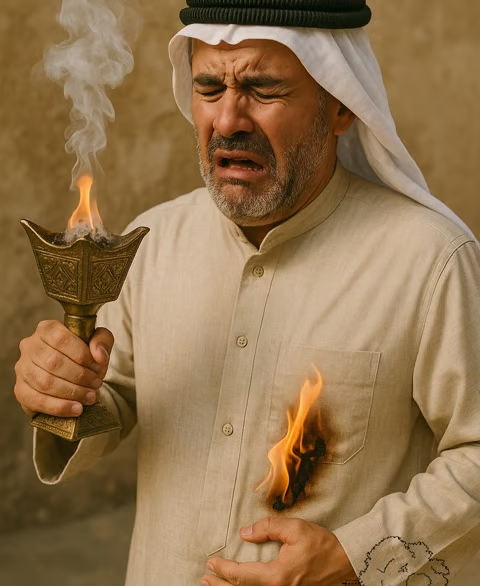
Meaning: one who never perfumed himself with incense, when he finally tried, burned his clothes. Said of someone who finds happiness after hardship, only for it to turn into misfortune.
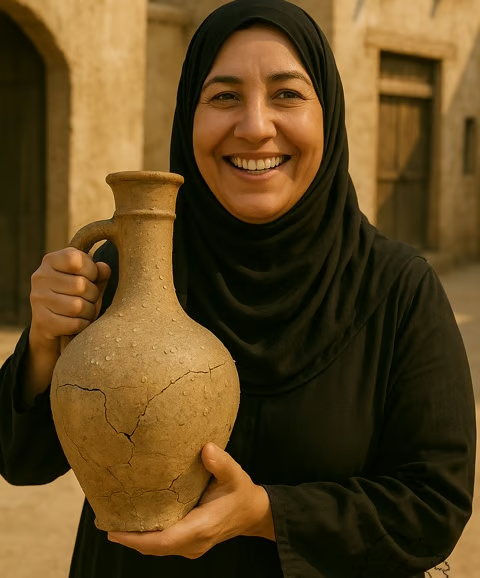
“Qaad” means sat. The proverb encourages patience until one achieves their goal.
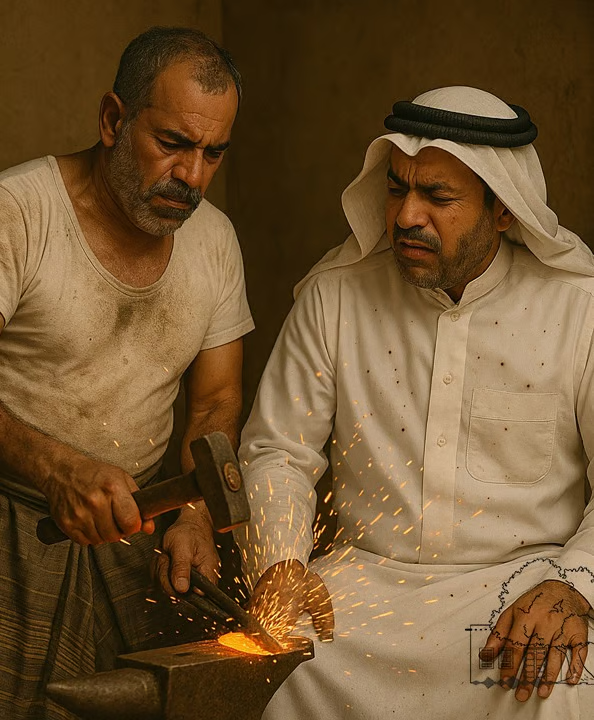
Said of a fool who cannot manage things properly.
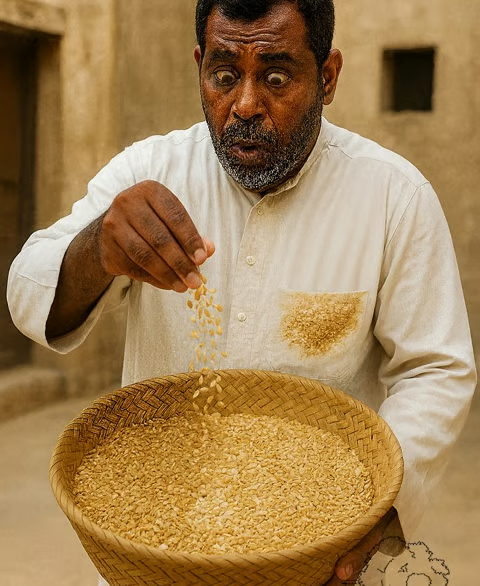
Said of someone who undertakes a task beyond his ability, buys more than he can afford, or borrows a debt he cannot repay.
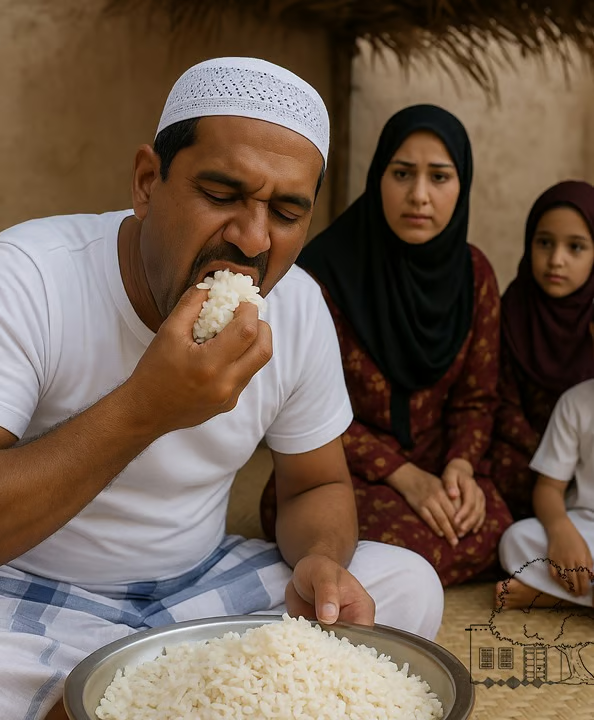
“Takid” means to work. Said of envy, when some people toil while others only watch and count the gains of the successful.
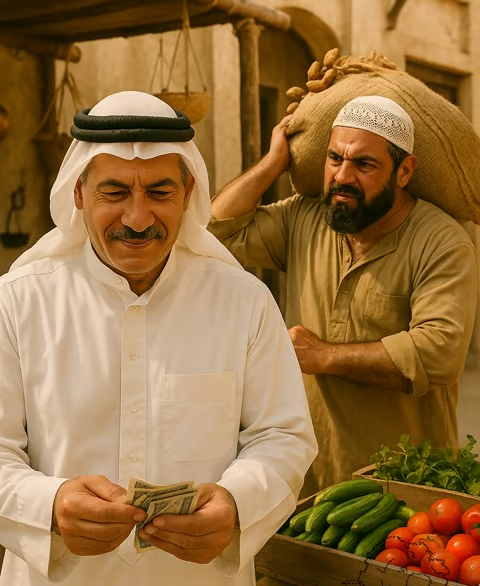
Said of someone whose condition has not changed despite the passage of time or changes in people.
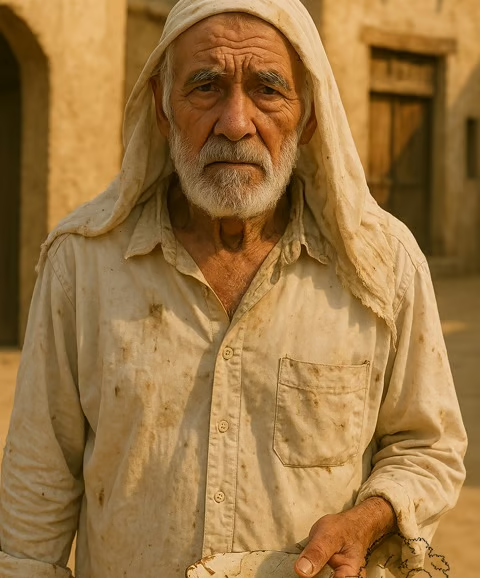
“Turawwik” means frightens you. Said as a threat.
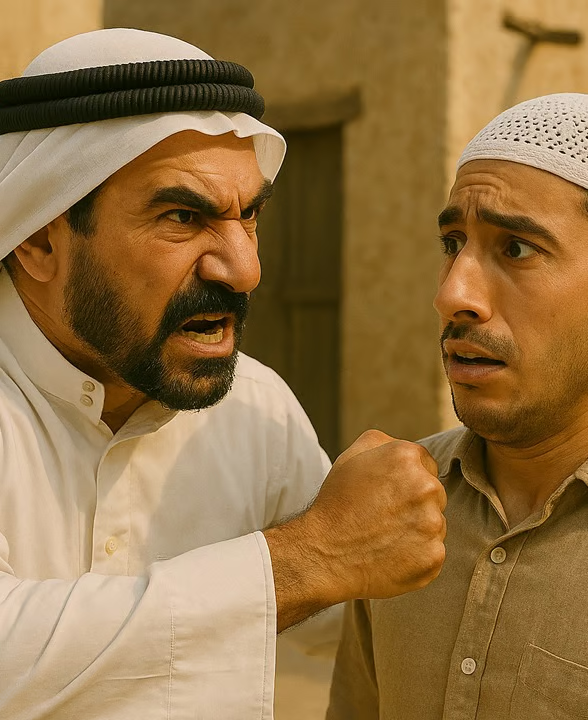
“Keil” means weight or measure. Said of someone who takes or gives excessively without considering consequences or thinking of the future.
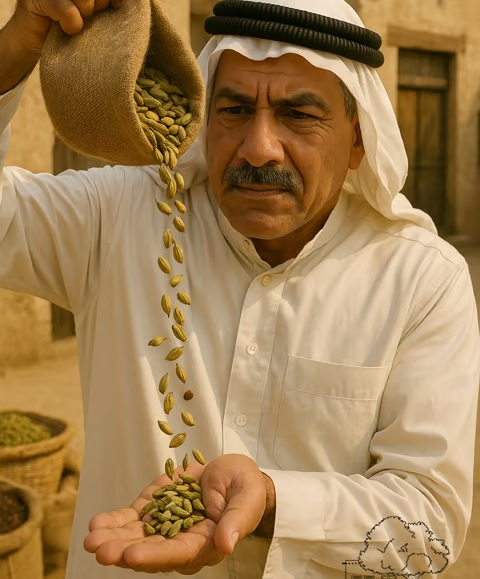
“Ya Dahina” refers to fat or oil, “La Tankiteen” means don’t spill. Said of someone pampered or spoiled, treated with special care.
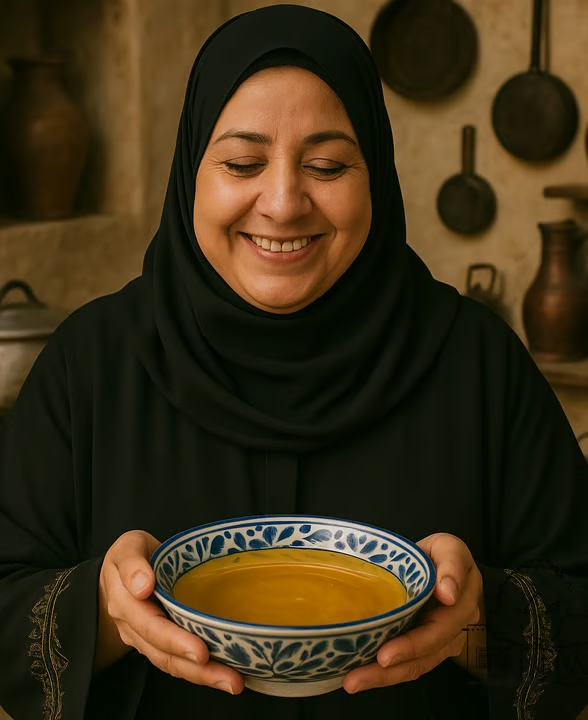
Said of someone who takes dangerous or deceitful paths without caution.
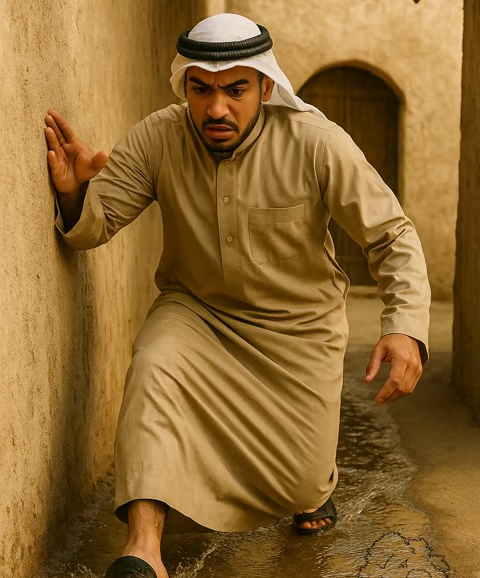
“Yimsh” means wipes, “Toufah” means wall. Said of someone empty and dependent, relying on others for sustenance.
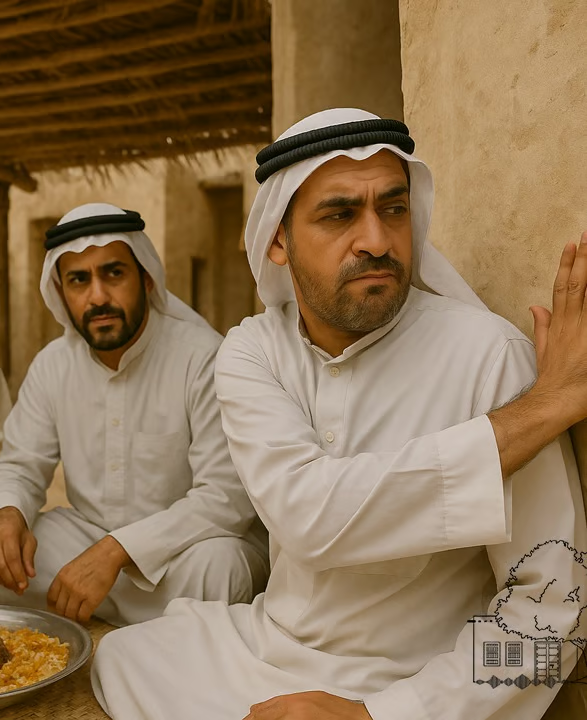
Said of a coward.
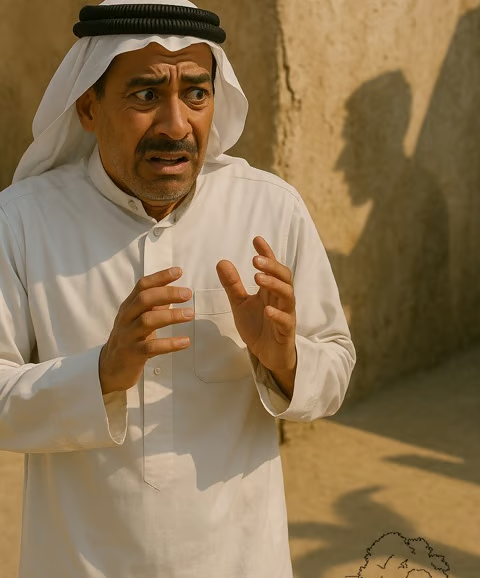
Said of someone known for lying: when he speaks, people cannot distinguish truth from lies, or they disbelieve him even when he tells the truth.