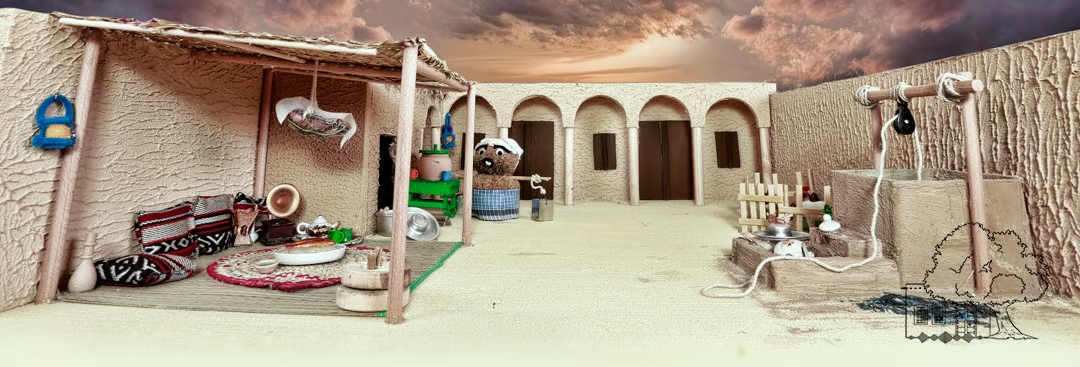
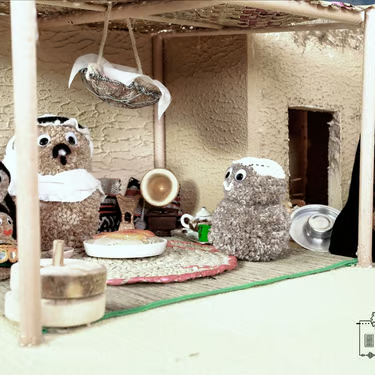
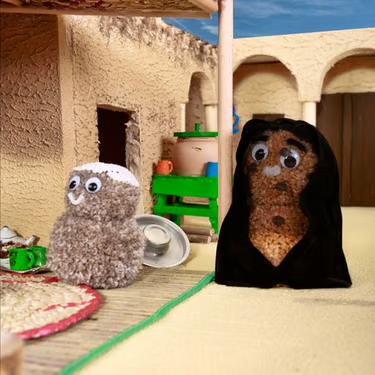
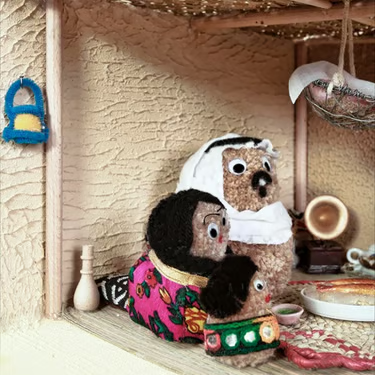
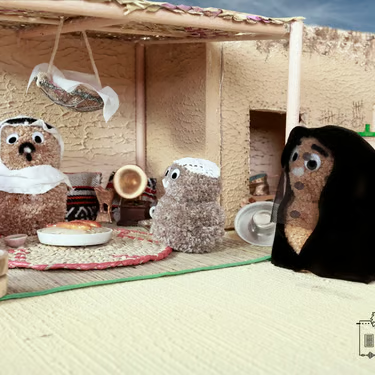
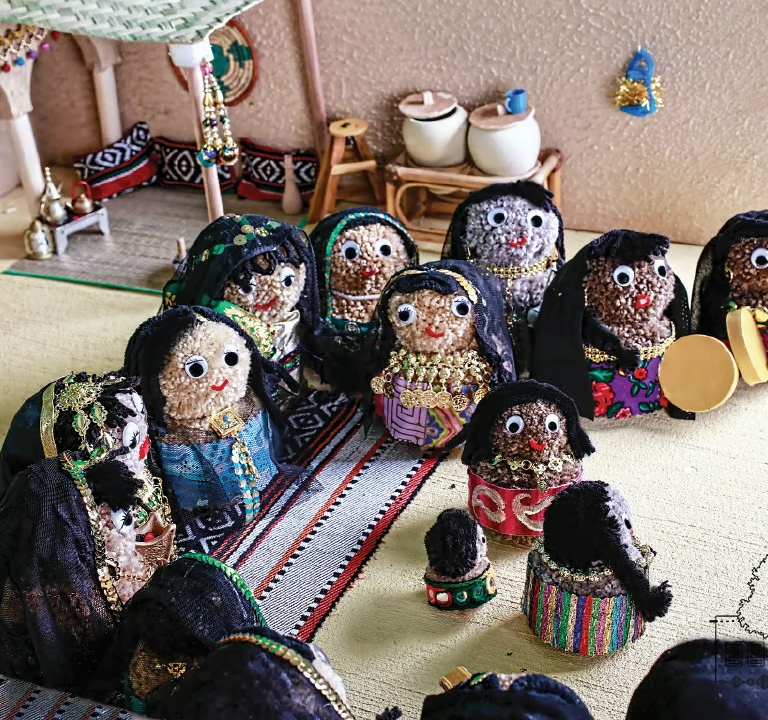
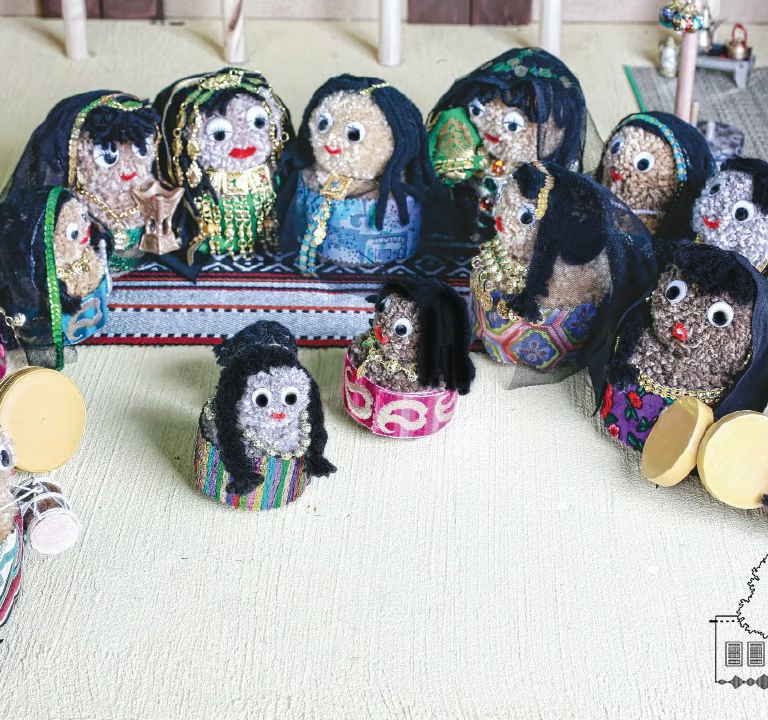
The family of the groom prepares the dowry, which consists of the mahr (bridal gift). Its value varies depending on the financial status of the wedding. Included in the dowry is the "Buqsha," which contains six to seven pieces of fabric, two abayas, as well as jewelry, bed linens, towels, and other marriage essentials. Traditionally, on the day of presenting the dowry (Buqsha), the groom’s mother, accompanied by her relatives and some women from the family, would go to the bride’s house to present it.
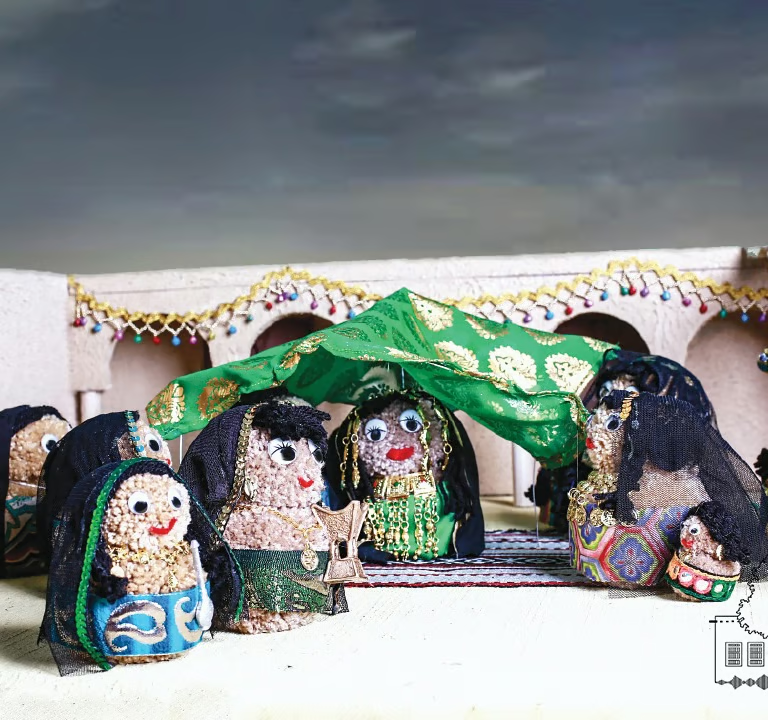
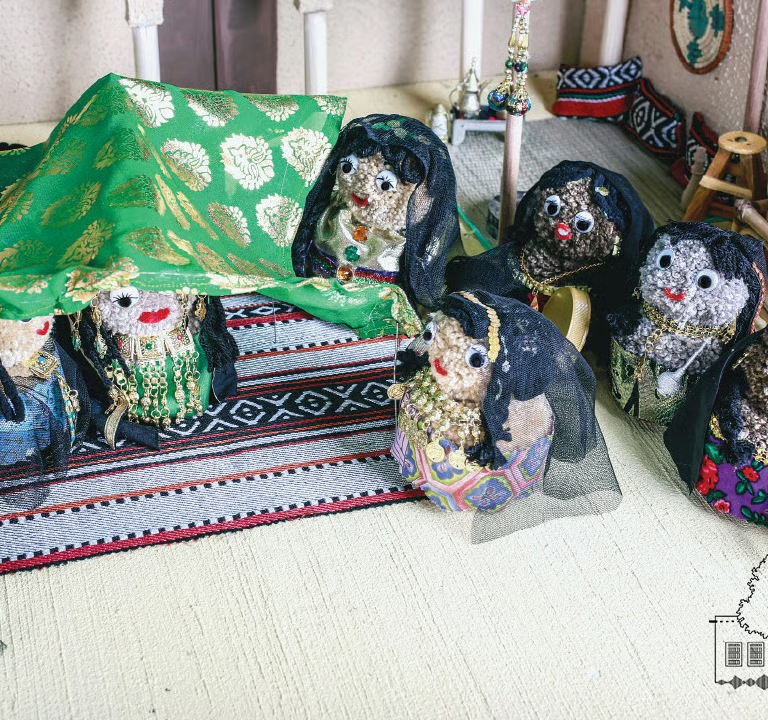
The wedding night is the night every girl dreams of. In the past, preparing and adorning the bride in Kuwait was known as "Al-Jalwa" or "Al-Yelwa" in the Kuwaiti dialect. At sunset, the henna night ceremonies would begin, with many of the bride’s relatives gathering. Al-Jalwa consisted of songs and chants accompanied by prayers, sung by women in celebration of the bride. The bride would sit on a chair wearing a bright green dress adorned with gold jewelry. Four women would hold a large square green cloth decorated with golden threads and inscribed with phrases such as "Hub Al-Sa‘ad" (Gift of Happiness). They would lower it over the bride’s head while chanting verses of praise and prayer for her. The women sang:
A wish in her wishes
Beautiful in her meanings
She appeared and shone until
I asked God to bless her
Her forehead like the shining moon
Her lips heal my ailments
Her lips heal my ailments
And her meanings are graceful
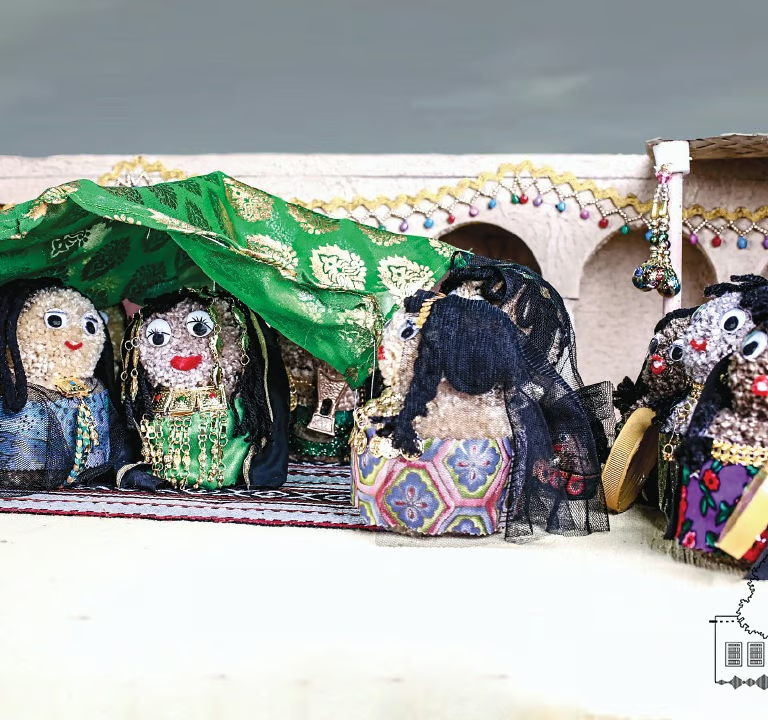
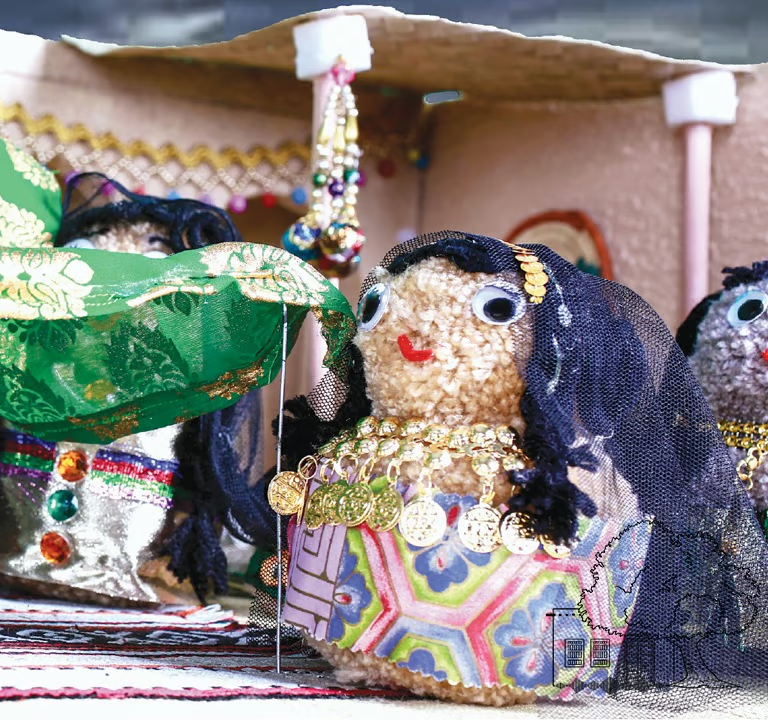
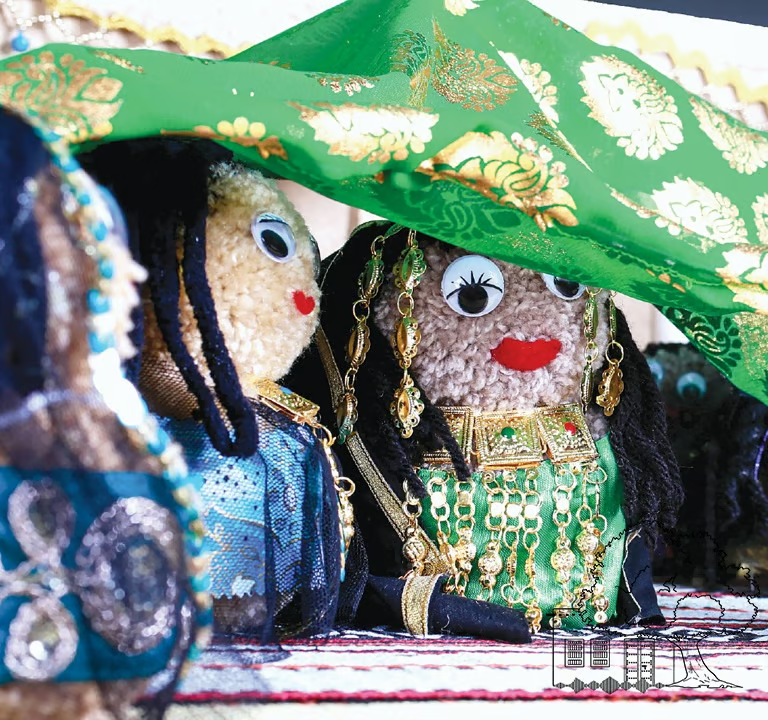
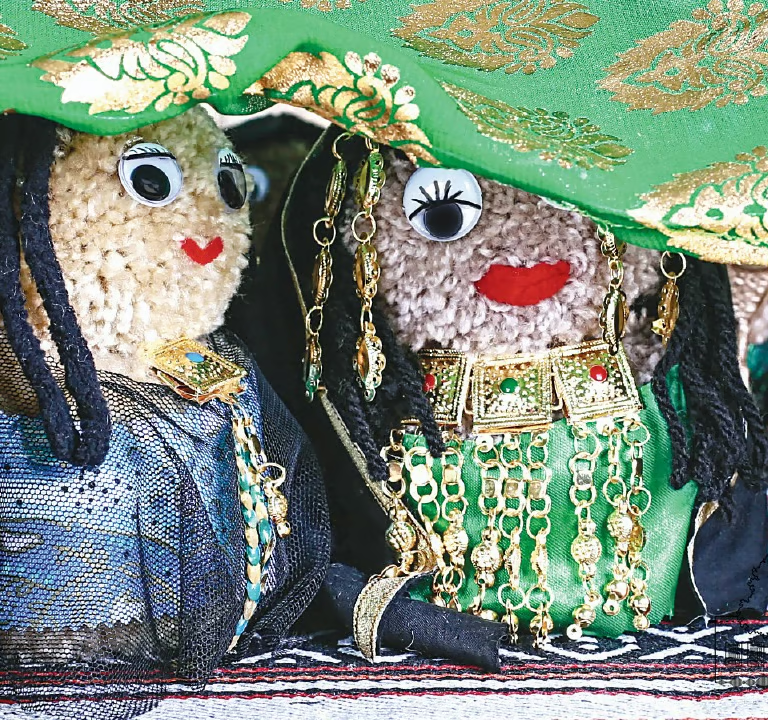
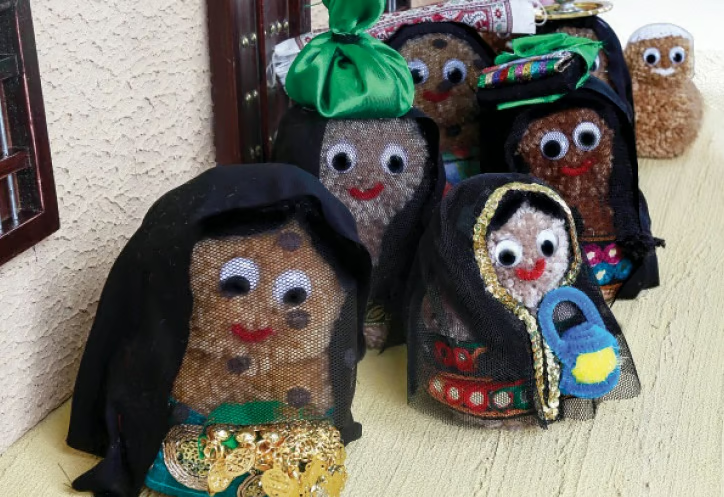
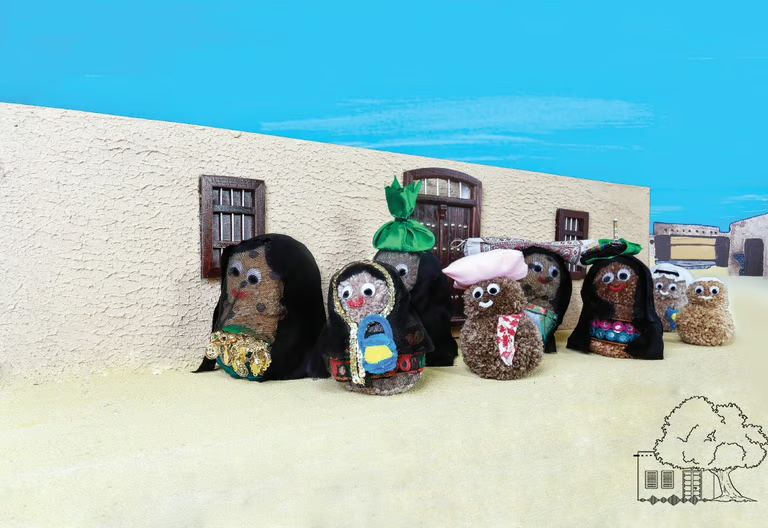
After the marriage contract is signed at the bride’s father’s house, the groom is escorted on foot to the bride’s home by his family and friends carrying torches, singing traditional wedding songs. These songs, known as "Samri" and other folk arts, accompany the procession until it reaches the bride’s house. The groom, his father, relatives, elders, youth, and children lead the beautiful parade. Upon arrival, women sing while wearing their abayas and covering their faces before the men enter. The groom then sits with his close companions after receiving congratulations. If he enters the women’s gathering, it is accompanied by drumbeats and rosewater being sprinkled, after which his companions leave, allowing the bride to be brought to him.
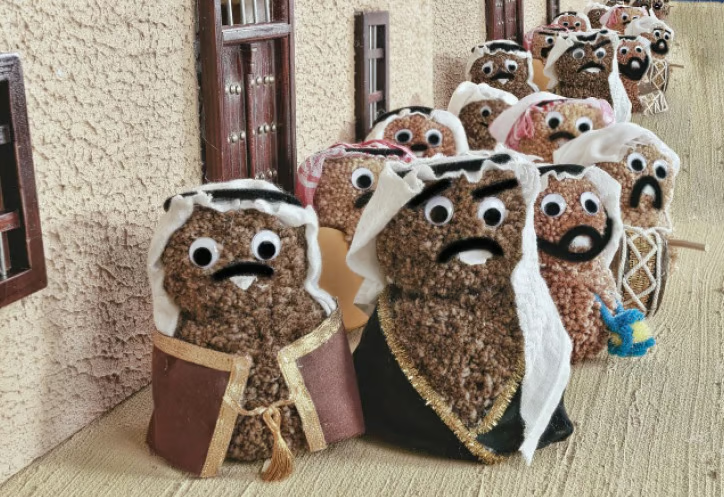
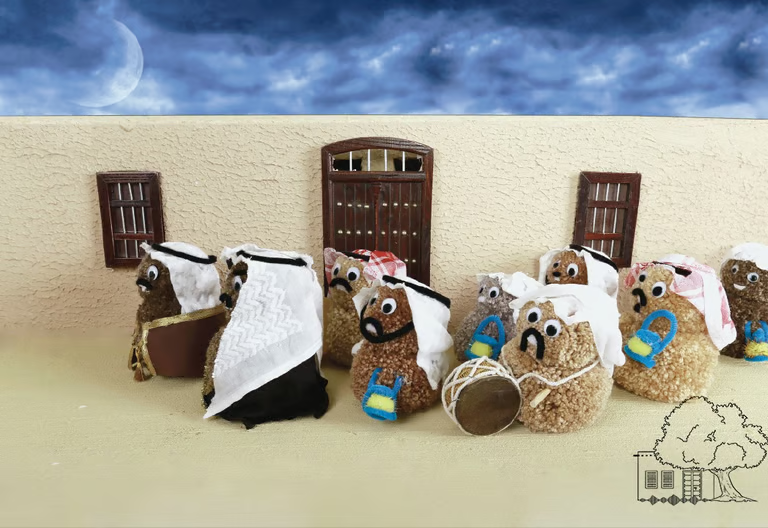
Kuwaitis knew coffee houses, locally called "Qahwa." They were simple in their furnishings, with wooden chairs and small tables, serving only Arabic coffee. Coffee houses grew in number, especially in Safat Square, which became a commercial hub for visitors from the desert, Basra, and distant Kuwaiti villages. These coffee houses gathered many citizens to spend leisure time, exchange conversations, and share local news. One of the most famous coffee houses in the past was "Bonashi Coffee."
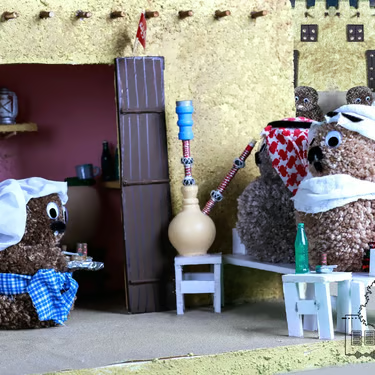
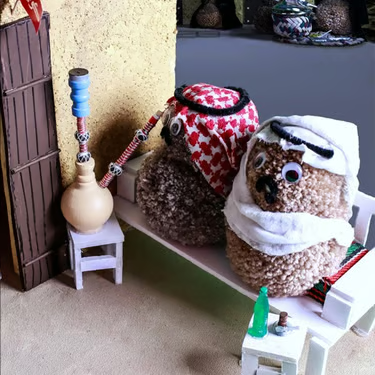
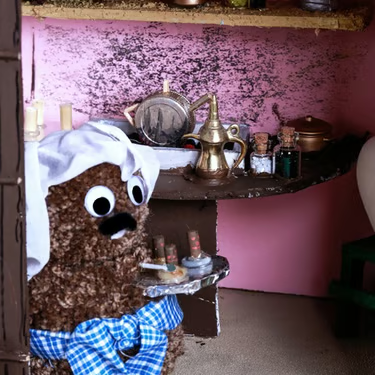
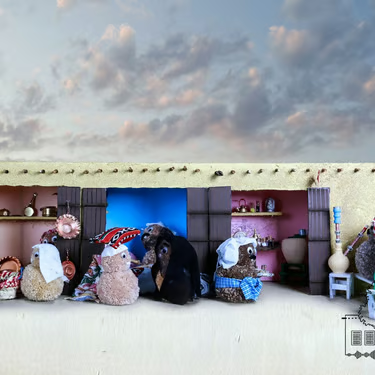
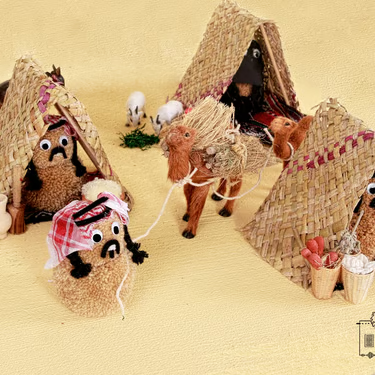
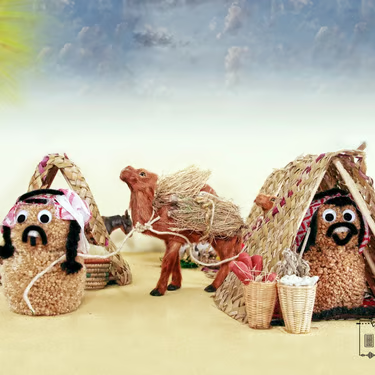
Al-Amariya was a shelter made from palm fronds (saf) seen in the old Gharabally market. Its purpose was to protect sellers from the sun. It was set up on two wooden poles and carried away at the end of the day. It was important for caravans coming from the desert, where they sold ghee, dried yogurt, locusts, truffles, wool, arfaq, and some desert plants used for medicine.
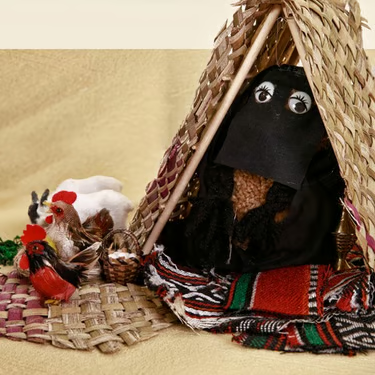
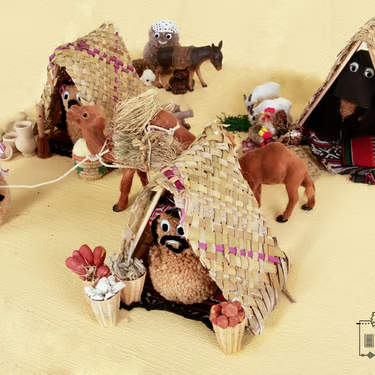
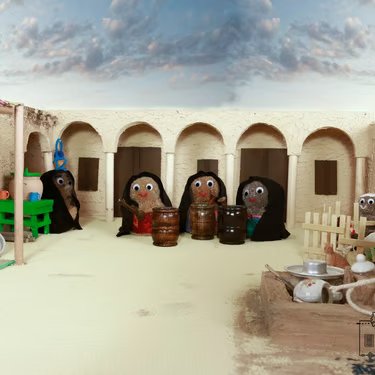
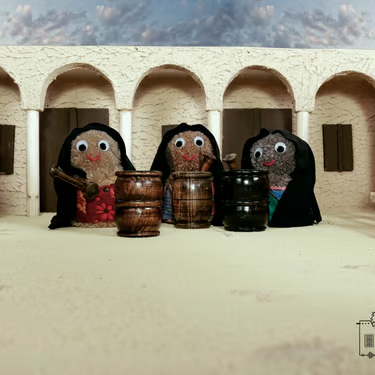
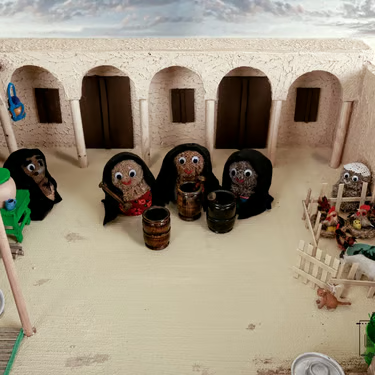
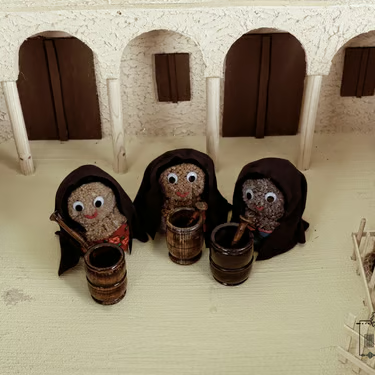
Harees is ground wheat prepared for Ramadan. Kuwaiti families used to buy large amounts of wheat before Ramadan and invite specialized women to prepare it. The process was accompanied by rhythmic songs and expressive movements performed by women’s groups. The wheat was placed in a wooden cylindrical vessel called “Al-Minhaz,” about one meter long, hollow inside, with a long wooden pestle. The grains were pounded until crushed, accompanied by work songs to ease the effort. Wealthy families had more than one Minhaz, while poorer families borrowed from neighbors without hesitation, reflecting the spirit of solidarity. The accompanying song was:
Ya Allah, Ya Allah, Ya Allah, Ya Allah
Ya Allah, Ya Allah, O Generous One
A clear plea to God for strength to complete the hard work.
The word “Toob” is Turkish for cannon. In Kuwait, the Ramadan cannon was called “Al-Warda.” It was introduced during the era of Sheikh Mubarak Al-Sabah. Historian Adel Al-Saadoun notes that Ali bin Aqab Al-Khazraji was the first to fire the Ramadan cannon in Kuwait, having learned from the Ottomans. The cannon was located at “Seif Al-Toob,” now the site of the Ministry of Foreign Affairs near Seif Palace. Families and children gathered daily before sunset to watch the cannon fire, shouting praises and chants. Afterward, everyone returned home to break their fast.
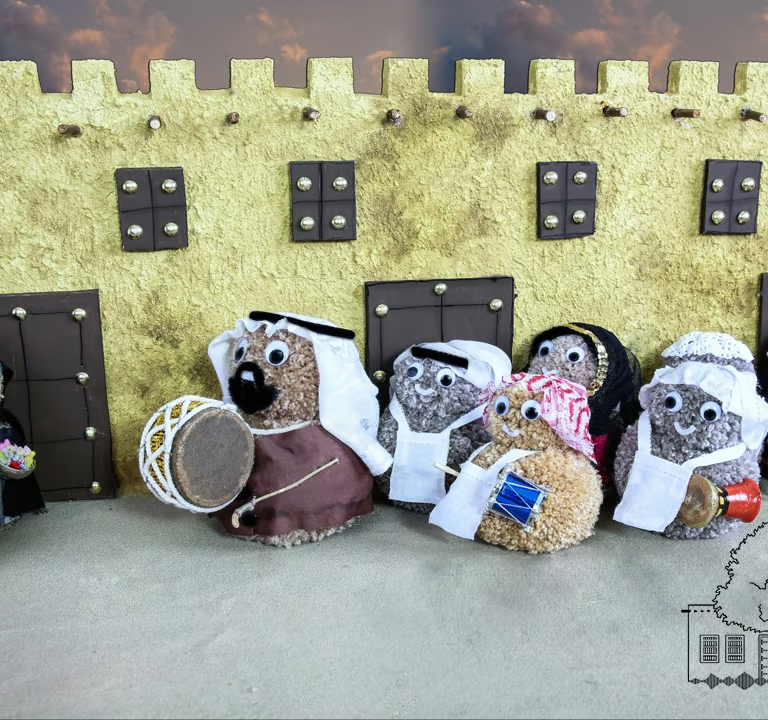
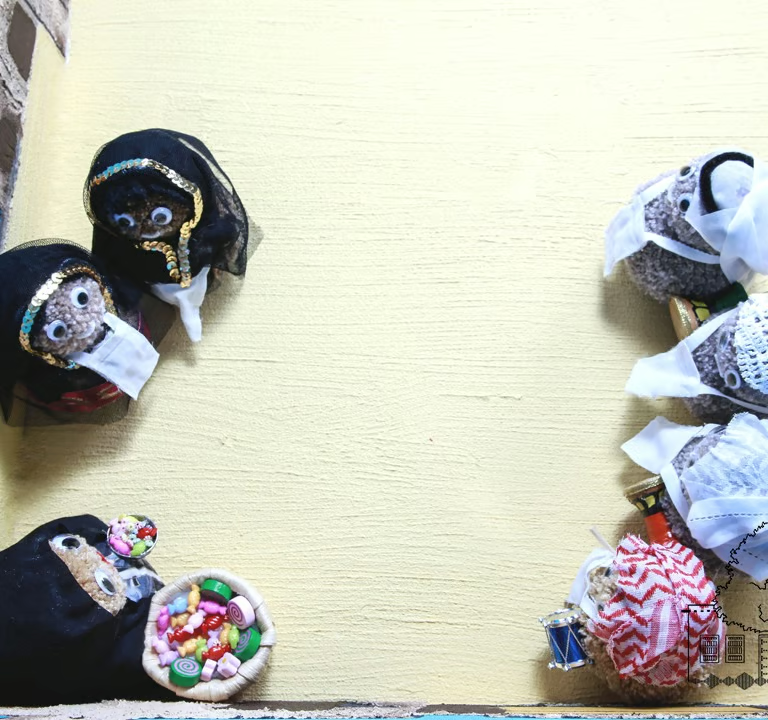
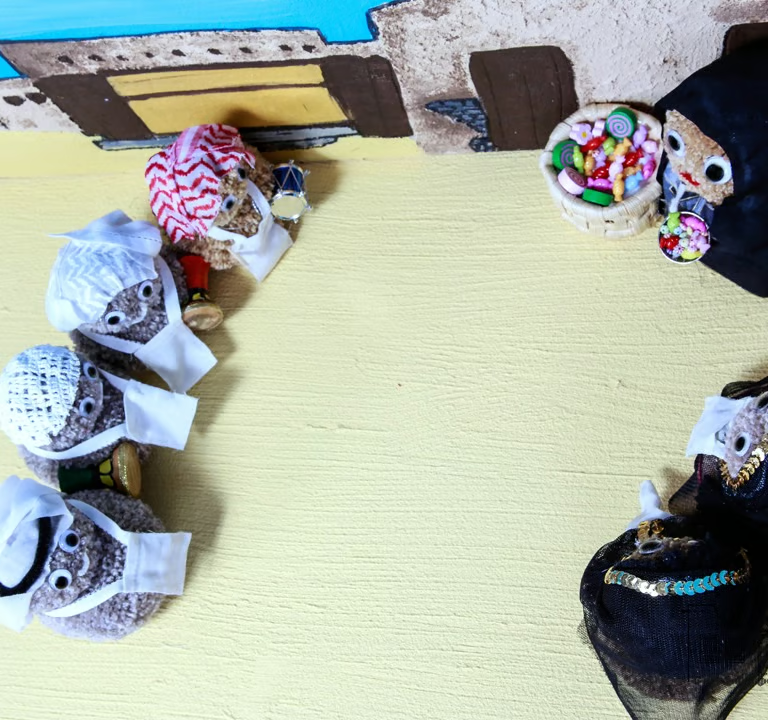
Researcher Dr. Yaqoub Al-Ghunim explained that “Qarqian” means a mix of items, usually nuts and sweets. The name may come from “Qarqa’a,” meaning clattering sounds, referring to the noise of metal containers and drums used by children. In old Kuwait, Qarqian was sold in sweet markets, and children eagerly awaited it. They roamed neighborhoods in groups, boys and girls separately, singing traditional songs. Mothers sewed cloth bags called “Khreeta” for children to collect treats. Boys sang “Salim Walad-hum Ya Allah Khalla Li-Ummah Ya Allah,” while girls sang “Qarqian, Qarqian, Bayt Qaseer Ramadan.” Families prepared sweets and welcomed children, fostering joy and community. Similar traditions exist across the Gulf under different names: “Qarqian,” “Qarnqouh,” “Qarnqshouh,” and “Haq Al-Leila.”
Qarqian, Qarqian
Short house in Ramadan
May fasting return to you
Every year and every time
O Allah, protect their son
O Allah, keep him for his mother
May the spot not harm him
Nor hide him from his mother
Give us, and God will give you
May Mecca take you
O Kaaba, O Amoura
O mother of chains, gold, and light
Protect their son .. Ya Allah
Keep him for his mother .. Ya Allah
Ya Allah, Ya Allah, Ya Allah, Ya Allah
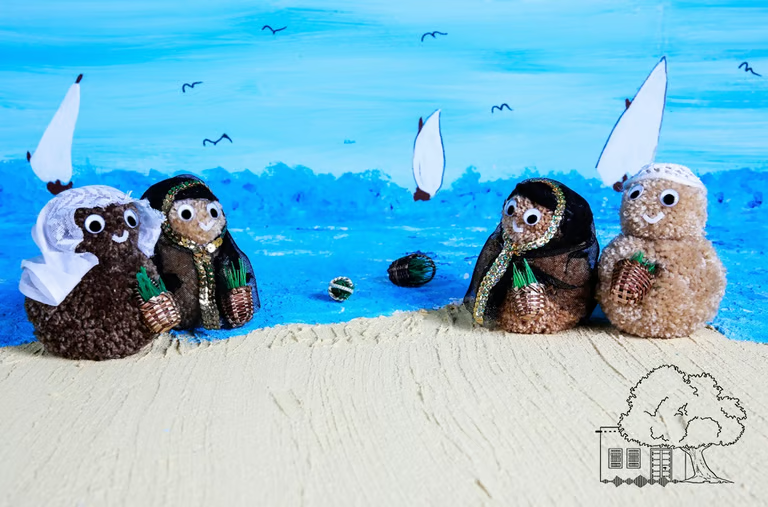
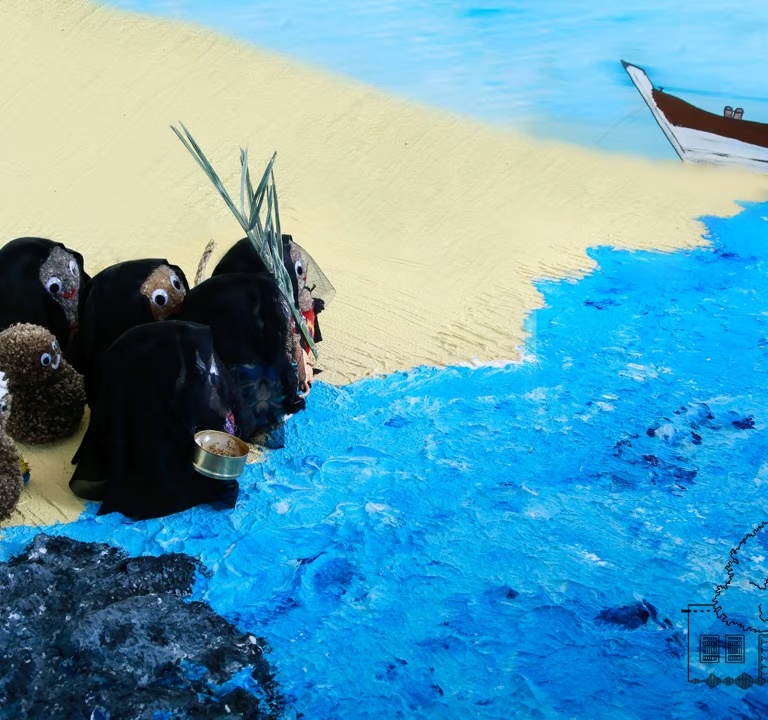
This was a tradition practiced by children on the 9th of Dhul-Hijjah (Day of Arafat). They would throw the “Heya Beyeya,” a small basket containing barley or cress seeds, into the sea once the grass had grown. Standing by the shore, they tossed it into the water while chanting songs.
Heya Beyeya.. went Beyeya.. came Beyeya.. on the path of Haniniya.
O my Heya Beyeya.. House of Mecca knock for me..
Drink from Zamzam water.. pray for our homes to be safe..
Heya Beyeya.. went Beyeya.. came Beyeya.. on the path of Haniniya..
O Lord, may our feasts always bring joy..
I fed you and cared for you, don’t pray against me..
Heya Beyeya.. went Beyeya.. came Beyeya.. on the path of Haniniya..
I fed you and cared for you, and on Eid day I cast you away..
Goodbye my Heya Beyeya.. may God protect you..
The song reflects the child’s plea for the Heya Beyeya to witness for him, not against him. The tradition symbolized sacrifice and care, ending with throwing the basket into the sea. The word “Heya Beyeya” is believed to come from “Haji Beyji,” meaning “the pilgrim will return” after Hajj. Families spent a joyful day by the sea, teaching children lessons of care and sacrifice.
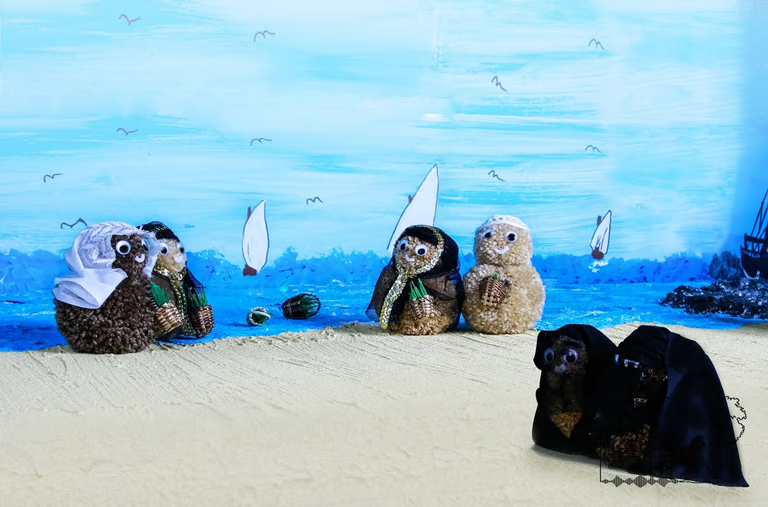
In the past, washing clothes was a difficult task using water and natural cleaning materials such as “Shinan,” “Arad,” clay, and “Haradh.” Gulf women washed clothes by scrubbing and beating them on rocks with wooden paddles, then rinsed and spread them to dry. Delicate fabrics were left without wringing, simply spread to dry, then stretched by hand to regain their shape. Clothes were folded, perfumed, or smoked with incense before storage. Women often went to the shore to wash clothes and household items.
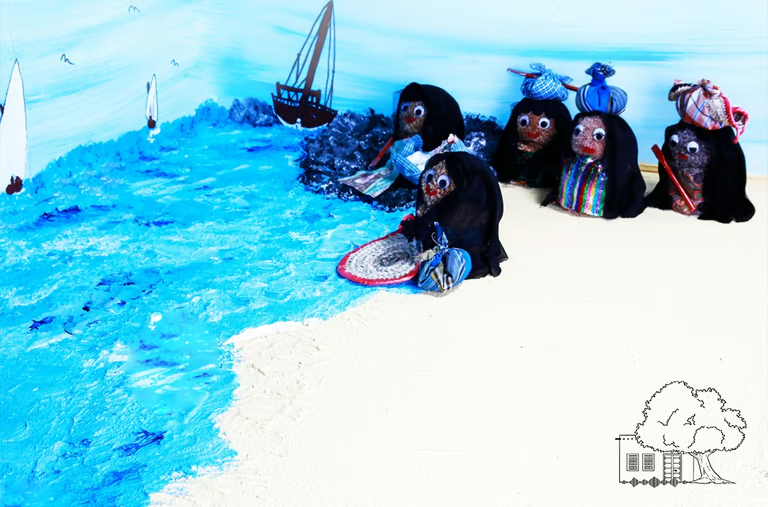
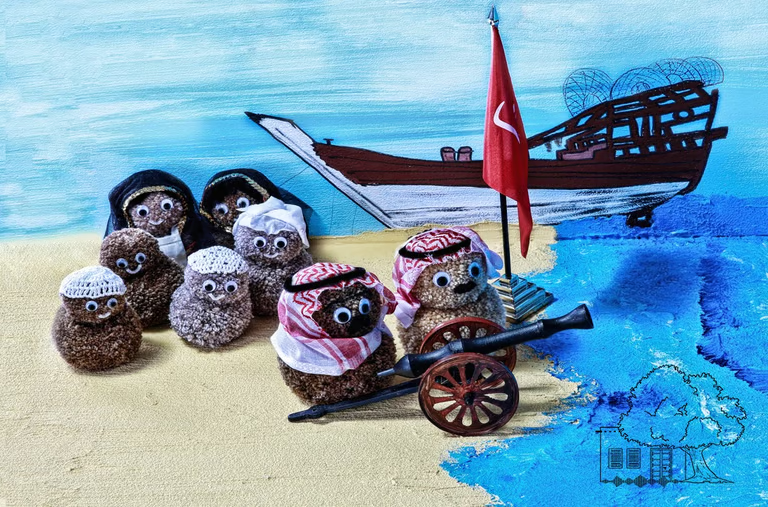
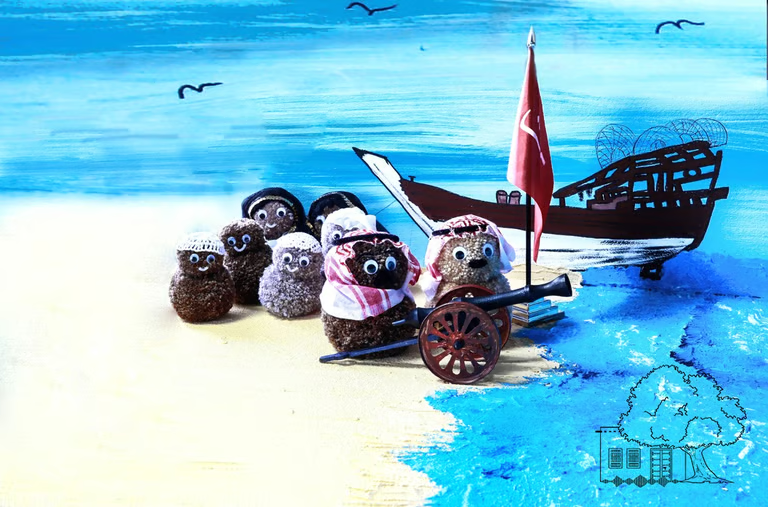
This song was sung by women before the “Qaffal” (return of pearl divers) about three to four weeks prior. Families eagerly awaited their loved ones’ return. Women gathered at the shore after sunset, led by a strong woman, while others collected palm fronds to light fires. Standing in a circle, they sang chants such as:
Top Top Ya Bahr, Top Top Ya Bahr, the fifth month has entered...
Bring them back, O sea, don’t defy God...
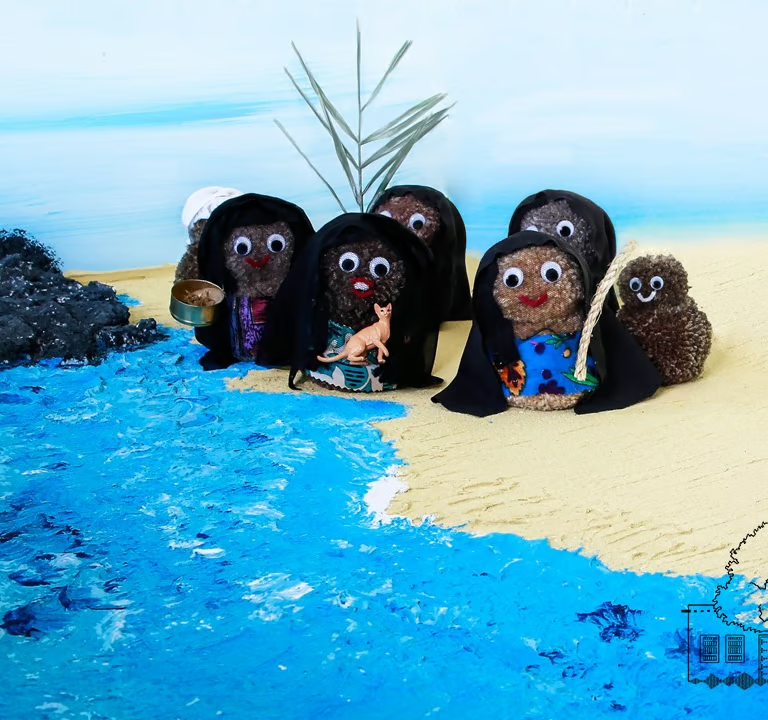
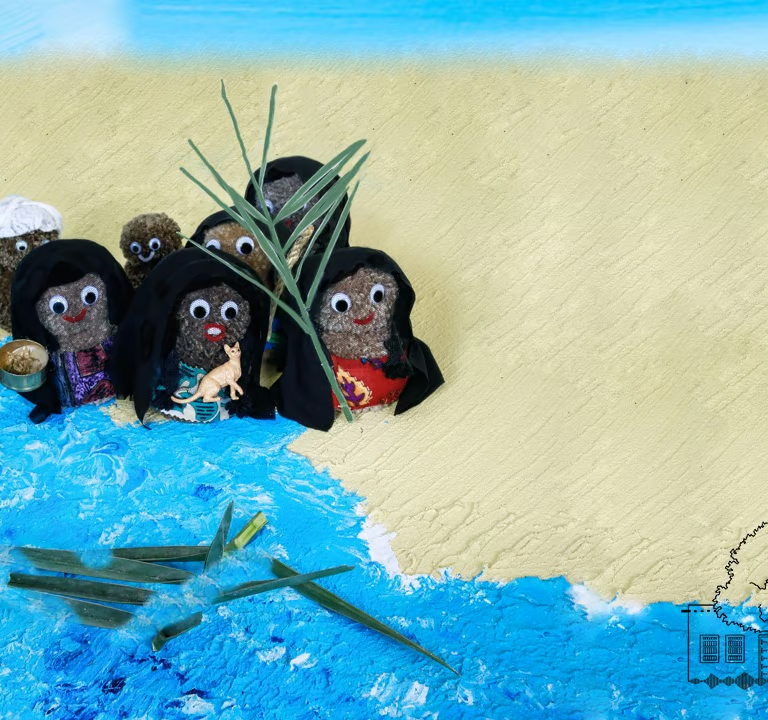
The song mentioned names of pearl merchants and captains, symbolizing pleas for the safe return of divers. Women believed scaring and “disciplining” the sea with fire and chants would ensure their loved ones’ safe return. They even dipped a cat adorned with flowers into the sea, its cries answered by women chanting “Yao Yao Yao,” meaning “They are coming.” This ritual expressed longing, grief, and hope for reunion.
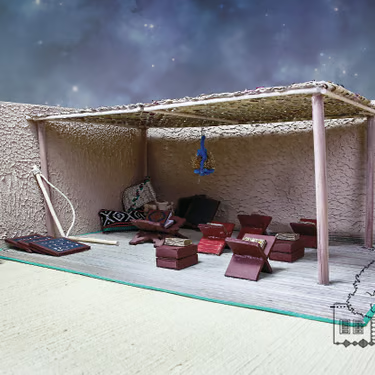
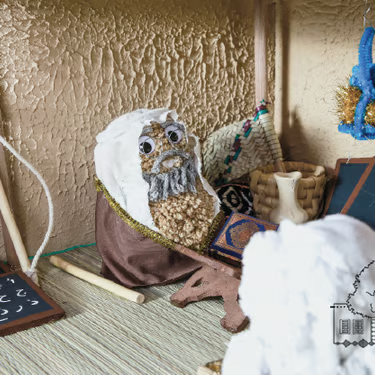
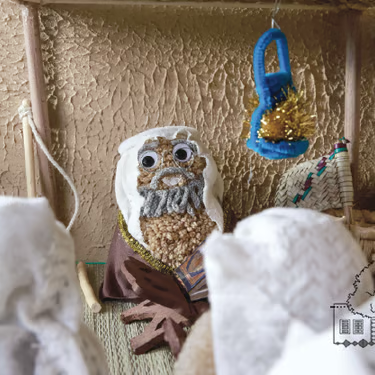
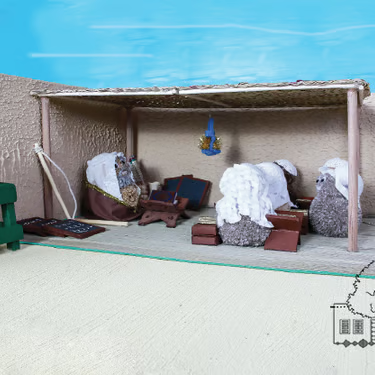
Before the establishment of the Department of Knowledge and the spread of public schools in Kuwait, there were private schools that taught the Qur’an, Islamic studies, reading, writing, calligraphy, and arithmetic. These schools were supervised by a person called “Mulla” or “Mutawwa,” sometimes assisted by other teachers. The school was usually a small old house owned or rented cheaply by the Mulla, furnished with simple items such as mats, water jars, wooden boards for writing, and the Mulla’s chair. Parents brought their children to these schools and negotiated fees: some paid a monthly salary called “Mashahra,” while others agreed on a lump sum called “Qatou’a,” paid after completing the Qur’an.
A joyful occasion was the completion of the Qur’an. When a boy finished reciting the Qur’an under the Mulla’s supervision, he was called “Al-Khatim.” Wealthy families held banquets and celebrations, while poorer families borrowed traditional attire to honor the child. The Khatim appeared dignified, accompanied by his parents and classmates. He sat beside the Mulla, flowers and incense spread among the attendees, and the Mulla held his hand, clapping in joy. A festive gathering followed, with students receiving flowers and incense before leaving in honor of the occasion.
Praise be to God who guided us to Islam.
Glory be to Him, the Creator, who taught us the Qur’an.
We praise Him as flowers bloom and dew falls.
Then prayers upon the guide Muhammad, who brought the truth.
This boy has read, written, and learned speeches and letters.
Do not fall short, son of noble Arabs, nor let anger overcome you.
My teacher repeated lessons with care, never neglecting me.
I learned the great Book until I read it as others did.
May God reward my father with Paradise and strengthen his legacy.
In eternal Heaven with his children.
Give the teacher his due, for he was merciful to us.
Praise be to God, the Praiseworthy, the Originator, to whom belong the birds and thunder.
Birds came to you, O birds of the Mahdi, adorned with feathers… (and so on).